Water → HCID 135929570, compound
Reaction equation

[C:1]([O-:4])(=O)[CH3:2].[Na+].Cl.Cl.[CH2:8]([NH:15][NH2:16])[C:9]1[CH:14]=[CH:13][CH:12]=[CH:11][CH:10]=1.O.[C:18]1([CH3:25])[C:19]([CH3:24])=[CH:20][CH:21]=[CH:22][CH:23]=1>>[CH2:8]([N:15]1[C:25]2[C:18](=[CH:19][CH:24]=[C:1]([OH:4])[CH:2]=2)[C:23]([CH2:22][CH2:21][CH3:20])=[N:16]1)[C:9]1[CH:14]=[CH:13][CH:12]=[CH:11][CH:10]=1Participants


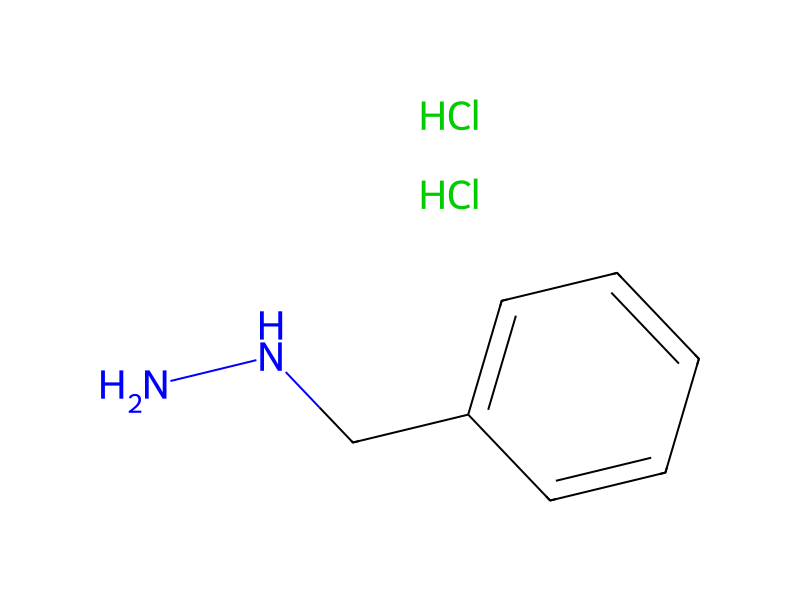


Procedure
1-(2-Fluoro-4-hydroxyphenyl)butan-1-one (3.468 g) that can be produced by the method described in Reference Example 16 or the like, sodium acetate (7.57 g; manufactured by Wako Pure Chemical Industries, Ltd.), and benzylhydrazine dihydrochloride (5.48 g; manufactured by Wako Pure Chemical Industries, Ltd,) were suspended in xylene (200 mL; manufactured by Kanto Chemical Co., Inc.). The suspension was stirred overnight at reflux using a Dean-Stark apparatus. The reaction solution was cooled to room temperature, subsequently water was added thereto, and the mixture was extracted two times with ethyl acetate. The organic layer was washed two times with water and with brine, and was dried over anhydrous sodium sulfate. Subsequently, the solvent was evaporated under reduced pressure, and n-hexane was added to the residue. Precipitates were filtered, and thus the title compound (5.41 g) was obtained.
Workup
- temperatureat reflux
- extractionthe mixture was extracted two times with ethyl acetate
- washThe organic layer was washed two times with water
- dry with materialwith brine, and was dried over anhydrous sodium sulfate
- customSubsequently, the solvent was evaporated under reduced pressure, and n-hexane
- additionwas added to the residue
- customPrecipitates
- filtrationwere filtered
Sources & evidence
- ORD record
- ord-5fbec636e0fd494d8893557a41a2cce9
- Source dataset
- uspto-grants-2011_08
- Patent number
- US08008506B2
Reaction notes
Loading…