Phosphate → D-(-)-Fructose
Reaction equation

[O:1]=[CH:2][C@@H:3]([C@H:5]([C@@H:7]([C@@H:9]([CH2:11][OH:12])[OH:10])[OH:8])[OH:6])[OH:4].[O-]S([O-])(=O)=O.[Mg+2].P([O-])([O-])([O-])=O>O>[OH:1][CH2:2][C:3]([C@H:5]([C@@H:7]([C@@H:9]([CH2:11][OH:12])[OH:10])[OH:8])[OH:6])=[O:4]Participants
5
Reactant 3
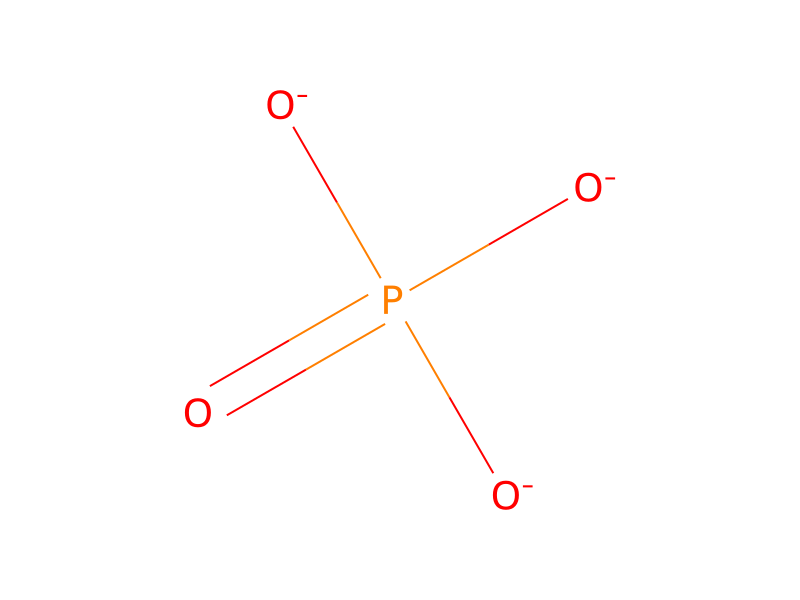
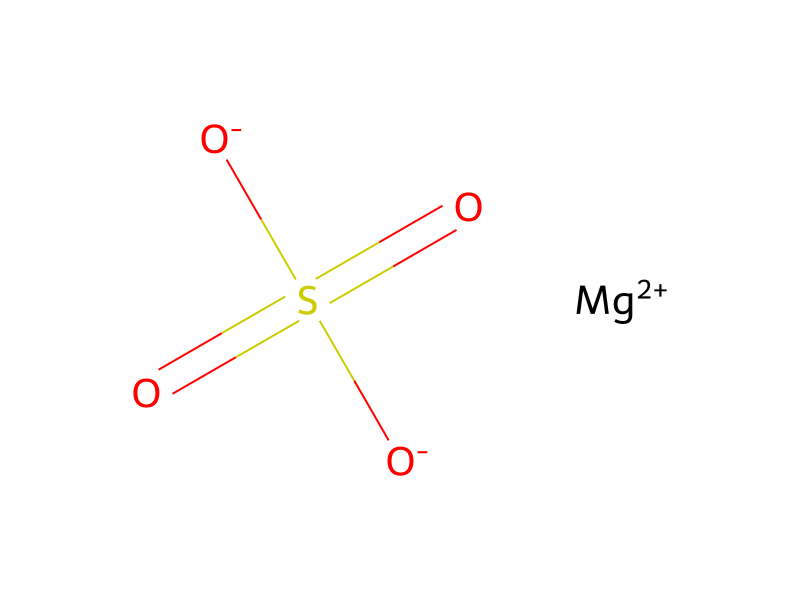
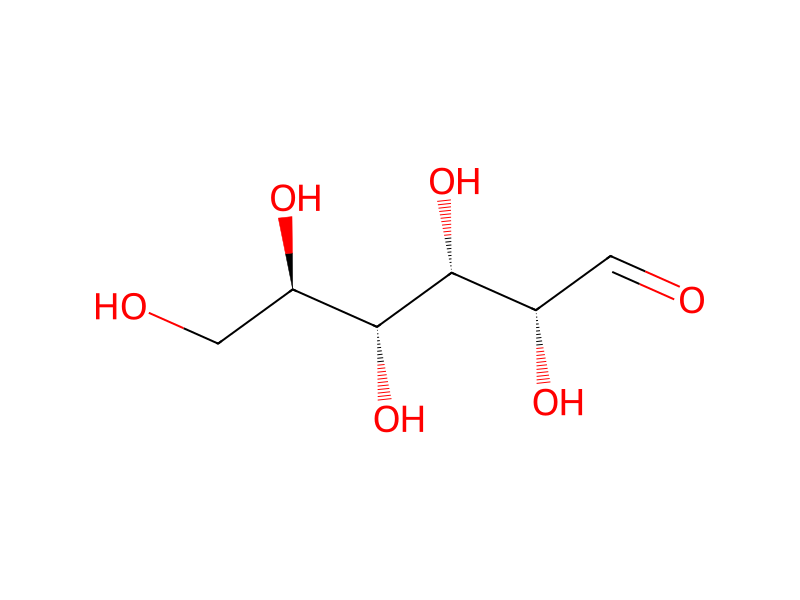
Product 1
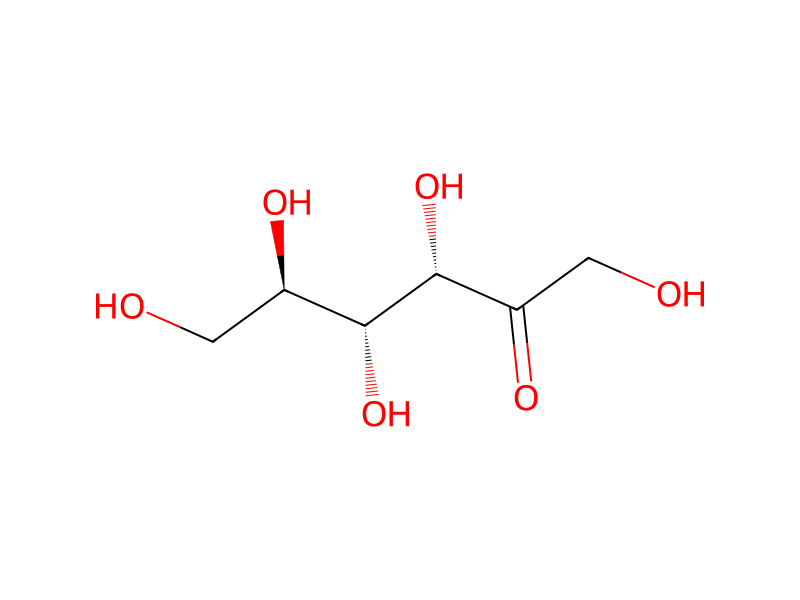
Reagents, catalysts & solvents 1

Conditions
- Temperature
- 70 °C
Procedure
A mixture of 0.2 ml of 1 M aqueous D-glucose solution, 0.2 ml of 0.05 M aqueous MgSO4 ·7H2O solution, 0.2 ml of 0.5 M aqueous phosphate buffer (pH = 7.2) and a given amount of aqueous solution of extracted glucose isomerase is diluted with water to make it to 2 ml. The mixture is maintained at a temperature of 70° C for 60 minutes to effect the conversion which is terminated by the addition of 2 ml of 0.5 M perchloric acid. The amount of fructose produced is determined by the cystein carbazole method. The value obtained by dividing the amount of fructose produced by the amount of the extracted glucose isomerase solution is the activity, the unit of which is expressed by the abbreviation "U".
Workup
- customis terminated by the addition of 2 ml of 0.5 M perchloric acid
Sources & evidence
- ORD record
- ord-361f0de2702b42babce8ebd09c96a7a7
- Source dataset
- uspto-grants-1978_03
- Patent number
- US04078970
Reaction notes
Loading…