Acetonitrile → p-Chloro-n-propylbenzylamine
Reaction equation

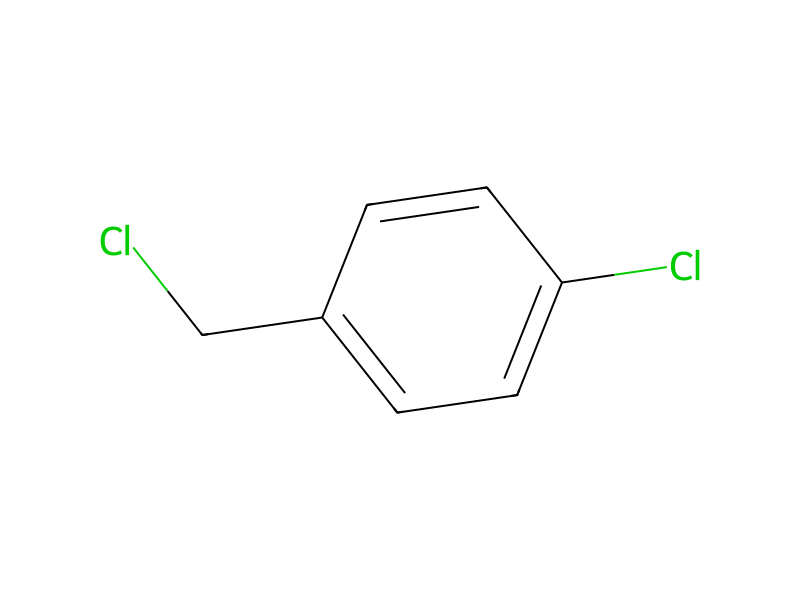
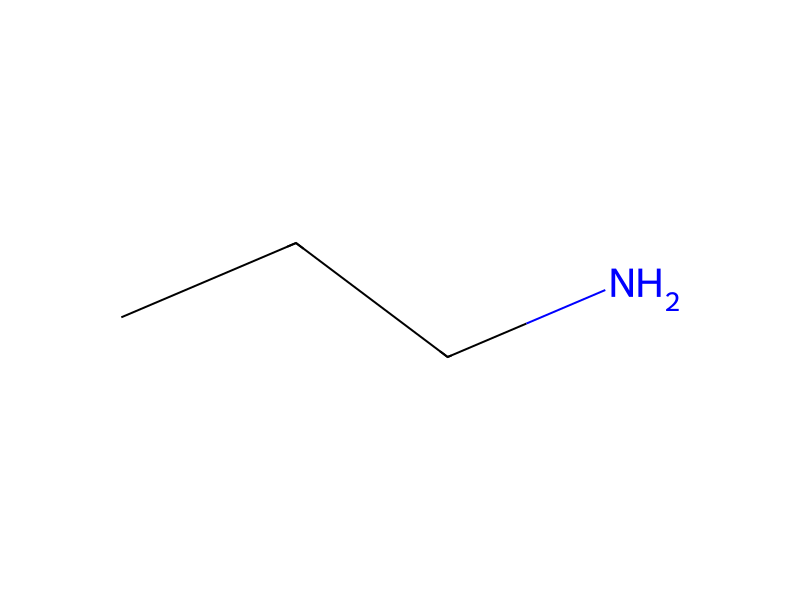
[Cl:1][C:2]1[CH:9]=[CH:8][C:5]([CH2:6]Cl)=[CH:4][CH:3]=1.C(#N)C.[CH2:13]([NH2:16])[CH2:14][CH3:15].[OH-].[Na+]>O>[Cl:1][C:2]1[CH:9]=[CH:8][C:5]([CH2:6][NH:16][CH2:13][CH2:14][CH3:15])=[CH:4][CH:3]=1Participants
6
Reactant 4


Product 1

Reagents, catalysts & solvents 1

Procedure
A solution of 48.3 g 4-chlorobenzyl chloride in 40 ml. acetonitrile was added to a mixture of 18 g. propylamine, 12.6 g. sodium hydroxide, 50 ml. acetonitrile and 30 ml. water. The mixture was shaken intermittently for 45 minutes. An exothermic reaction occurred and a white solid separated in the lower phase. After a period of four days the reaction mixture was poured into a liter of water and the organic phase isolated with ether. Distillation of the ethereal extract gave an oily product N-4-chlorobenzyl-N-propylamine, m.p. 101°-106° C./1.7-2.5 mm. Hg.
Workup
- customAn exothermic reaction
- customa white solid separated in the lower phase
- additionAfter a period of four days the reaction mixture was poured into a liter of water
- customthe organic phase isolated with ether
- distillationDistillation of the ethereal
- extractionextract
Sources & evidence
- ORD record
- ord-70abed123d91455e986166af9b1c4b34
- Source dataset
- uspto-grants-1978_03
- Patent number
- US04080462
Reaction notes
Loading…