Water → HCID 23458559, compound
Reaction equation

[NH2:1][C:2]1[CH:7]=[CH:6][C:5]([C:8]2[CH:9]3[CH:11]([C:12](=[O:15])[NH:13][N:14]=2)[CH2:10]3)=[CH:4][CH:3]=1.CO[CH:18]1[CH2:22][CH2:21][CH:20](OC)O1.O>C(O)(=O)C>[N:1]1([C:2]2[CH:3]=[CH:4][C:5]([C:8]3[CH:9]4[CH:11]([C:12](=[O:15])[NH:13][N:14]=3)[CH2:10]4)=[CH:6][CH:7]=2)[CH:18]=[CH:22][CH:21]=[CH:20]1Participants
5
Reactant 3

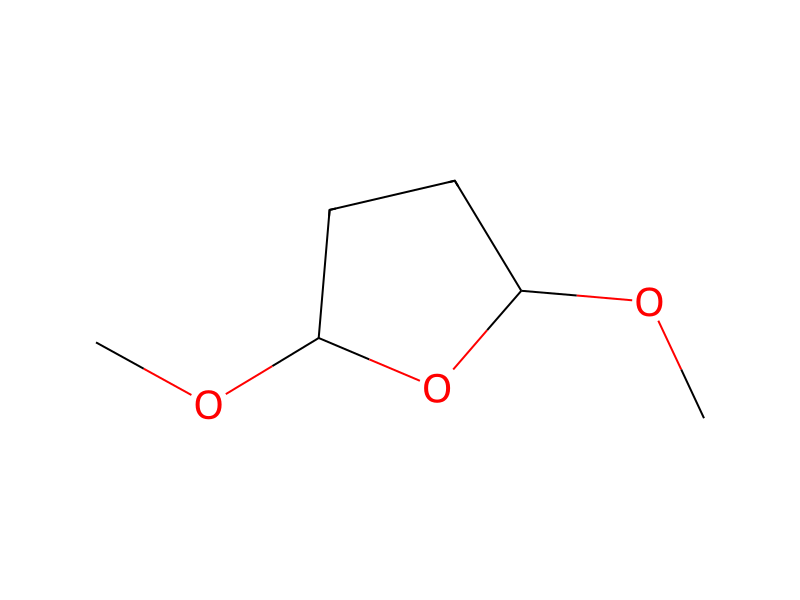

Product 1

Reagents, catalysts & solvents 1

Procedure
10.0 g (49.7 millimoles) of 2-(p-aminophenyl)-3,4-diaza-bicyclo[4.1.0]hept-2-en-5-one (see Example 8a), 6.6 g (49.9 millimoles) of 2,5-dimethoxytetrahydrofuran and 100 ml of acetic acid are refluxed for 4 hours. The product is filtered off at 10° C. and recrystallized from a dimethylformamide/water mixture. 5.2 g (41% of theory) of 2-[p-(pyrrol-1-yl)-phenyl]-3,4-diaza-bicyclo[4.1.0]hept-2-en-5-one, hydrated with one mole of water per four moles of compound, are obtained as beige crystals, of melting point 230°-231° C.
Workup
- filtrationThe product is filtered off at 10° C.
- customrecrystallized from a dimethylformamide/water mixture
Sources & evidence
- ORD record
- ord-fbcc278de2fe4689a6d6453baca5a1f8
- Source dataset
- uspto-grants-1981_06
- Patent number
- US04271163
Reaction notes
Loading…