Potassium Carbonate → HCID 54012844, compound
Reaction equation

[CH:1]1([C:4]([OH:6])=[O:5])[CH2:3][CH2:2]1.C(=O)([O-])[O-].[K+].[K+].[CH3:13][C:14]1[CH:15]=[C:16]2[C:21](=[CH:22][CH:23]=1)[CH:20]=[C:19]([CH2:24]Br)[CH:18]=[CH:17]2>CC(C)=O>[CH3:13][C:14]1[CH:15]=[C:16]2[C:21](=[CH:22][CH:23]=1)[CH:20]=[C:19]([CH2:24][O:5][C:4]([CH:1]1[CH2:3][CH2:2]1)=[O:6])[CH:18]=[CH:17]2Participants
5
Reactant 3

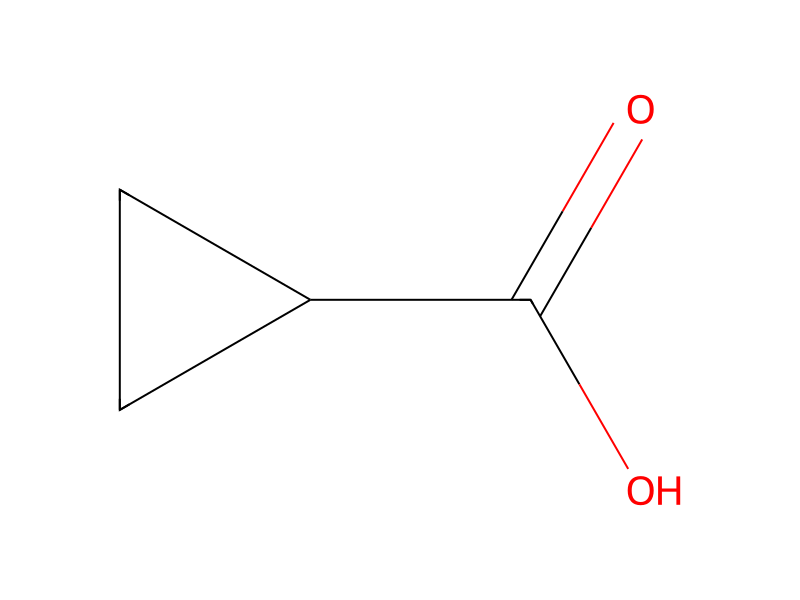

Product 1

Reagents, catalysts & solvents 1

Conditions
- Temperature
- 50 °C
Procedure
1.89 g of cyclopropane carboxylic acid are dissolved in 50 ml of acetone, treated with 5.5 g of potassium carbonate and heated to 50° C. A solution of 4.7 g of 6-methyl-2-(bromomethyl)naphthalene in 20 ml of acetone is then added dropwise. The mixture is left to react at 65° C. for 15 hours. The mixture is cooled and filtered. The residue is then rinsed with acetone and the filtrate is evaporated. The residue is purified chromatography on silica gel with hexane/ethyl acetate (9:1) to yield pure cyclopropane carboxylic acid (6-methyl-2-naphthyl)methyl ester of melting point 75°-78° C. (from petane/ether).
Workup
- waitThe mixture is left
- customto react at 65° C. for 15 hours
- temperatureThe mixture is cooled
- filtrationfiltered
- washThe residue is then rinsed with acetone
- customthe filtrate is evaporated
- customThe residue is purified chromatography on silica gel with hexane/ethyl acetate (9:1)
Sources & evidence
- ORD record
- ord-5635dae7c6424c1b9c7cfee98d8ce001
- Source dataset
- uspto-grants-1981_06
- Patent number
- US04276305
Reaction notes
Loading…