Benzoic acid, 4-hydroxy-3-nitro-, ethyl ester → Ethyl 3-amino-4-hydroxybenzoate
Reaction equation

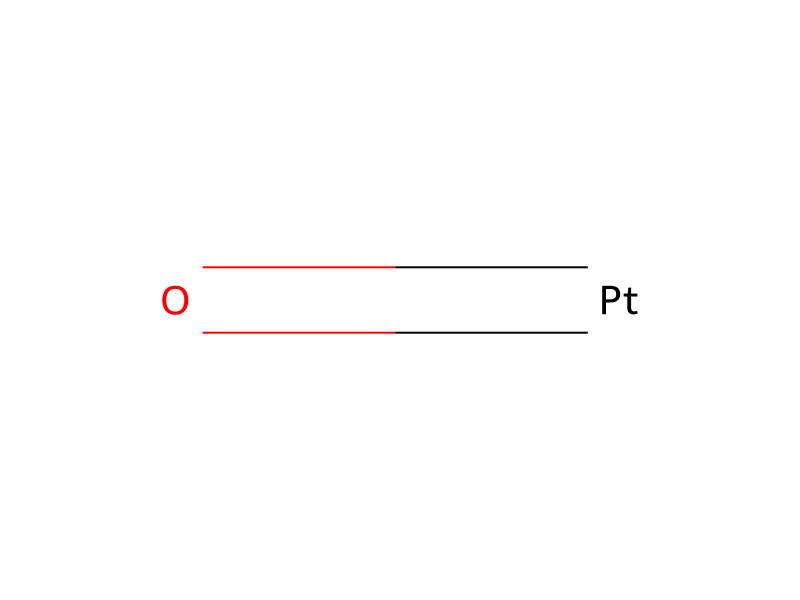
[N+:1]([C:4]1[CH:5]=[C:6]([CH:12]=[CH:13][C:14]=1[OH:15])[C:7]([O:9][CH2:10][CH3:11])=[O:8])([O-])=O.[H][H]>C(OCC)(=O)C.[Pt]=O>[NH2:1][C:4]1[CH:5]=[C:6]([CH:12]=[CH:13][C:14]=1[OH:15])[C:7]([O:9][CH2:10][CH3:11])=[O:8]Participants




Procedure
A mixture of 10.4 grams (0.05 mole) of ethyl 3-nitro-4-hydroxybenzoate, 0.3 gram of platinum oxide (catalyst) in 200 mL of ethyl acetate was shaken in a Parr hydrogenator until the theoretical amount of hydrogen gas was taken up. The mixture was filtered to remove the catalyst, and the filtrate was concentrated under reduced pressure, yielding 9.6 grams of ethyl 3-amino-4-hydroxybenzoate as a solid. The NMR spectrum was consistent with the proposed structure. This 3-amino derivative, 9.0 grams (0.05 mole), was dissolved in 150 mL of ethanol and 9.7 grams (0.06 mole) of triethyl orthopropionate was added. The reaction mixture was heated at reflux for three hours, then cooled to ambient temperature and concentrated under reduced pressure to a residue. The residue was subjected to column chromatography on silica gel, with 1:4 ethyl acetate:heptane as the eluant. The product-containing fractions were combined and concentrated under reduced pressure, yielding 8.7 grams of ethyl (2-ethylbenzoxazol-5-yl)carboxylate, mp 35°-37° C. The NMR spectrum was consistent with the proposed structure.
Workup
- filtrationThe mixture was filtered
- customto remove the catalyst
- concentrationthe filtrate was concentrated under reduced pressure
Sources & evidence
- ORD record
- ord-8a05861baccc435587ac7fe0dd4e5a11
- Source dataset
- uspto-grants-1997_06
- Patent number
- US05639763
Reaction notes
Loading…