Ethyl Acetate → HCID 19041703, compound
Reaction equation

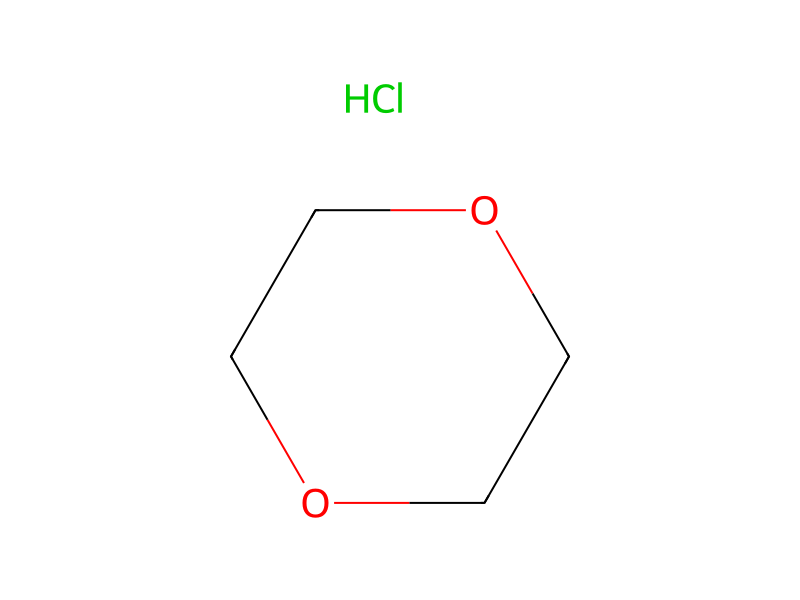
[Br:1][C:2]1[CH:3]=[C:4]([CH2:8][C:9](=O)[CH3:10])[CH:5]=[CH:6][CH:7]=1.Cl.[CH3:13][O:14][C:15]1[CH:20]=[CH:19][C:18]([NH:21]N)=[CH:17][CH:16]=1.Cl.O1CCOCC1.C(OCC)(=O)C>C1(C)C=CC=CC=1>[CH3:13][O:14][C:15]1[CH:20]=[C:19]2[C:18](=[CH:17][CH:16]=1)[NH:21][C:9]([CH3:10])=[C:8]2[C:4]1[CH:3]=[C:2]([Br:1])[CH:7]=[CH:6][CH:5]=1Participants
6





Conditions
- Temperature
- 60 °C
Procedure
The ketone from Step 1 (1.065 g, 5 mmol) and 4-methoxyphenylhydrazine hydrochloride (870 mg, 5 mmol) in toluene (20 is mL) were gently warmed up to 60° C. After 1 h, 4M HCl/dioxane (2 mL) was added and the mixture was heated at 60° C. for 1 h. It was then cooled, poured over ice water and ethyl acetate. The organic layer was separated, washed with dilute NaHCO3. Removal of the solvents left a residue which was purified by chromatography over SiO2 to afford the product (433 mg).
Workup
- temperatureIt was then cooled
- customThe organic layer was separated
- washwashed with dilute NaHCO3
- customRemoval of the solvents
- waitleft a residue which
- customwas purified by chromatography over SiO2
Sources & evidence
- ORD record
- ord-2c86ea372cef439fba1bc7c3fc5e9a19
- Source dataset
- uspto-grants-1997_06
- Patent number
- US05639780
Reaction notes
Loading…