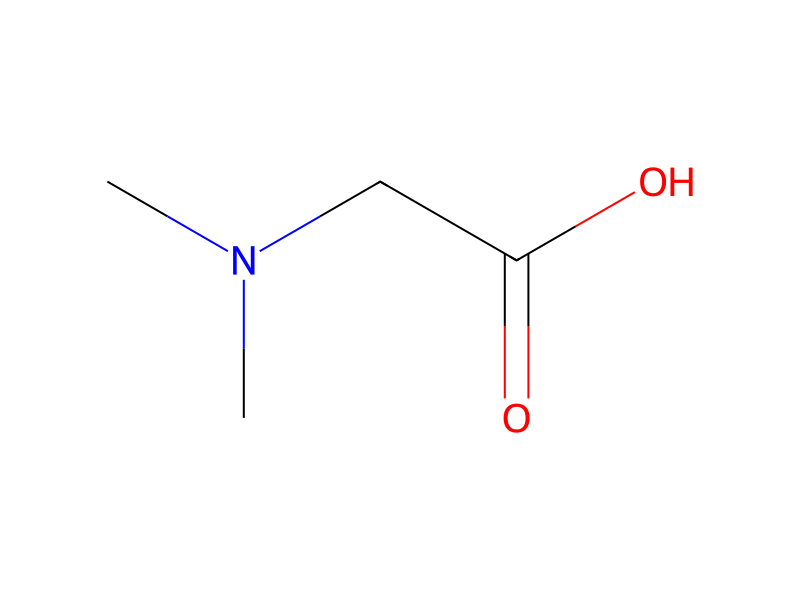
N,N-Dimethylglycine → Methyl 3-(6-aminopyridin-3-yloxy)benzoate
Reaction equation

Br[C:2]1[CH:3]=[CH:4][C:5]([NH2:8])=[N:6][CH:7]=1.[OH:9][C:10]1[CH:11]=[C:12]([CH:17]=[CH:18][CH:19]=1)[C:13]([O:15][CH3:16])=[O:14].CN(C)CC(O)=O.C([O-])([O-])=O.[Cs+].[Cs+]>O1CCOCC1.[Cu]I>[NH2:8][C:5]1[N:6]=[CH:7][C:2]([O:9][C:10]2[CH:11]=[C:12]([CH:17]=[CH:18][CH:19]=2)[C:13]([O:15][CH3:16])=[O:14])=[CH:3][CH:4]=1Participants
7
Reactant 4



Product 1

Reagents, catalysts & solvents 2


Conditions
- Temperature
- 120 °C
Procedure
A procedure described by D. Ma and Q. Cai (Org. Lett. 3799, 2003) was followed. To a solution of 5-bromopyridin-2-amine (346 mg, 2 mmol) in dioxane (10 mL) were added methyl 3-hydroxybenzoate (400 mg, 2.6 mmol), CuI (50 mg), N,N-dimethylglycine (60 mg) and Cs2CO3 (1.0 g). The resulting mixture was heated to 120° C. for 5 h, then cooled and partitioned between water and dichloromethane. The organic layer was separated, dried, and concentrated. The residue was purified by silica gel column eluting with ethyl acetate in dichloromethane (1:1) to obtain methyl 3-(6-aminopyridin-3-yloxy)benzoate (250 mg, 50%) as an oil. LC/MS; (M+H)+=245.
Workup
- temperaturecooled
- custompartitioned between water and dichloromethane
- customThe organic layer was separated
- customdried
- concentrationconcentrated
- customThe residue was purified by silica gel column
- washeluting with ethyl acetate in dichloromethane (1:1)
Sources & evidence
- ORD record
- ord-1a2cae8af1bd4feda962544efec2b2ed
- Source dataset
- uspto-grants-2012_04
- Patent number
- US08148361B2
Reaction notes
Loading…