Potassium Carbonate → HCID 66906596, compound
Reaction equation

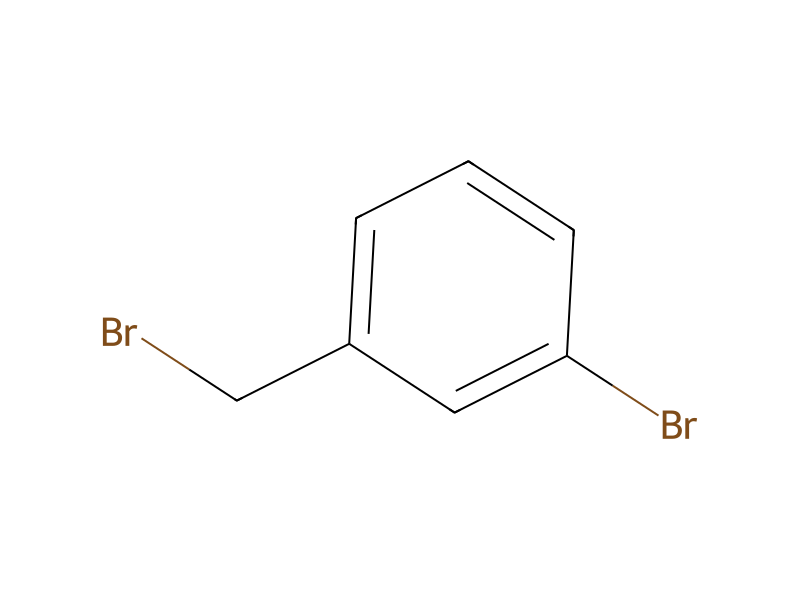
[CH3:1][O:2][C:3](=[O:15])[C:4]1[C:5](=[C:10]([OH:14])[CH:11]=[CH:12][CH:13]=1)[C:6]([O:8][CH3:9])=[O:7].C(=O)([O-])[O-].[K+].[K+].[Br:22][C:23]1[CH:24]=[C:25]([CH:28]=[CH:29][CH:30]=1)[CH2:26]Br>CC(C)=O>[CH3:1][O:2][C:3](=[O:15])[C:4]1[C:5](=[C:10]([O:14][CH2:26][C:25]2[CH:28]=[CH:29][CH:30]=[C:23]([Br:22])[CH:24]=2)[CH:11]=[CH:12][CH:13]=1)[C:6]([O:8][CH3:9])=[O:7]Participants
5
Reactant 3


Product 1

Reagents, catalysts & solvents 1

Procedure
To a stirred suspension of 3-hydroxyphthalic acid dimethyl ester (1.3 g, 6.2 mmol) in acetone (30 mL) and potassium carbonate (2.5 g, 18.4 mmol) was added 3-bromobenzyl bromide (1.6 g, 6.4 mmol) and refluxed overnight. The solvent was evaporated and the residue was partitioned between water (100 mL) and ethyl acetate (150 mL) and washed with water (2×100 mL). The combined organic phases was dried, concentrated and purified by flash column chromatography (EtOAc/Hexane) to give 3-(3-bromo-benzyloxy)-phthalic acid dimethyl ester (2.5 g, 109% crude yield). The product was used in the next step without further purification.
Workup
- temperaturerefluxed overnight
- customThe solvent was evaporated
- customthe residue was partitioned between water (100 mL) and ethyl acetate (150 mL)
- washwashed with water (2×100 mL)
- customThe combined organic phases was dried
- concentrationconcentrated
- custompurified by flash column chromatography (EtOAc/Hexane)
Sources & evidence
- ORD record
- ord-44513145c132422d9efbac2b2dba57fa
- Source dataset
- uspto-grants-2012_04
- Patent number
- US08153659B2
Reaction notes
Loading…