Formaldehyde → HCID 57781130, compound
Reaction equation

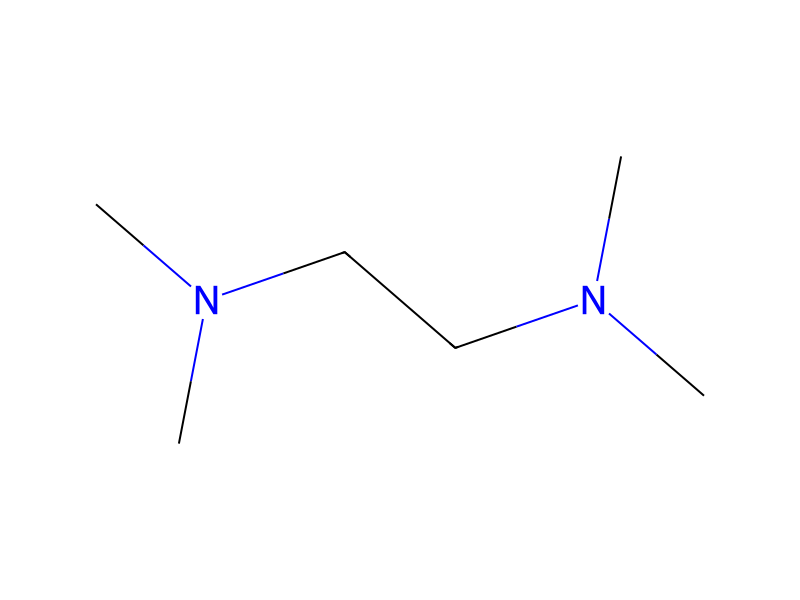
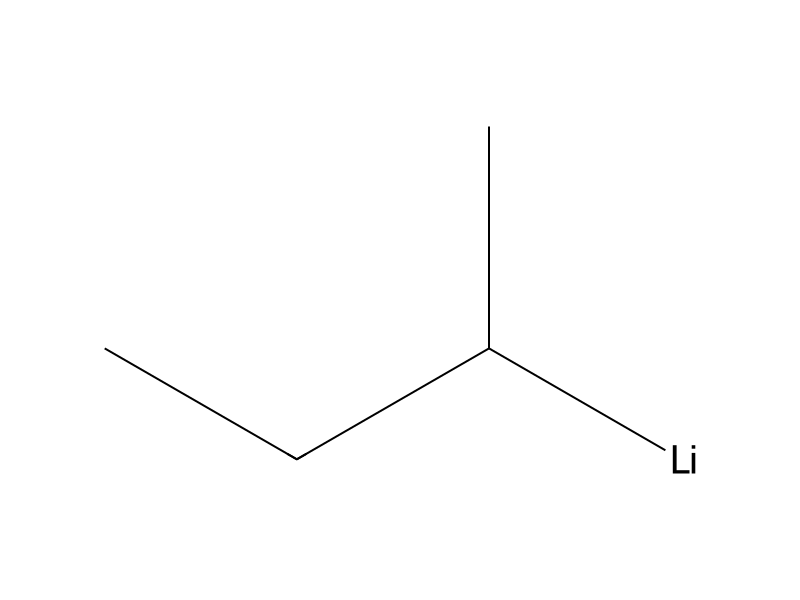
[CH2:1]=[O:2].[CH2:3]([N:5]([CH2:16][CH3:17])[C:6](=[O:15])[C:7]1[CH:12]=[CH:11][C:10]([F:13])=[C:9]([F:14])[CH:8]=1)[CH3:4].CN(CCN(C)C)C.[Li]C(CC)C>C1COCC1>[CH2:16]([N:5]([CH2:3][CH3:4])[C:6](=[O:15])[C:7]1[CH:12]=[CH:11][C:10]([F:13])=[C:9]([F:14])[C:8]=1[CH2:1][OH:2])[CH3:17]Participants
Reactant 4


Product 1

Reagents, catalysts & solvents 1

Conditions
- Temperature
- -78 °C
Procedure
A flask is charged with 3,4-difluorobenzoic acid (2.40 g, 14.88 mmol) and dichloromethane (50 mL) is added. Upon complete dissolution, the mixture is cooled to 0° C. and DMF (0.022 g, 0.298 mmol) and oxalyl chloride (3.85 g, 29.75 mmol) are added. The cooling bath is removed. After 2 h, the mixture is concentrated, taken up in dichloromethane (50 mL) and diethylamine (5.50 g, 74.38 mmol) is added. After 30 min, dichloromethane (500 mL) is added and the mixture is washed with 1M aqueous HCl, saturated aqueous sodium bicarbonate and brine. The organic phase is dried over magnesium sulfate and concentrated in vacuo to afford N,N-diethyl-3,4-difluorobenzamide as a brown oil, which is redissolved in anhydrous THF (60 mL). A 2 neck-flask is charged with paraformaldehyde (2.40 g, 76.22 mmol) and connected via a small length of tubing to another two-neck flask fitted with a pipette using an appropriate adapter. The second flask is charged with THF (60 mL) and cooled to −78° C. The paraformaldehyde is cracked with a heatgun and bubbled into the cold THF through the pipette. A clear solution is formed. To the solution of N,N-diethyl-3,4-difluorobenzamide in THF, is added TMEDA (2.98 g, 25.41 mmol) and the flask is cooled to −78° C. sec-BuLi (1.4M in cyclohexane, 18.1 mL, 25.4 mmol) is added and after 30 min, the cold solution of formaldehyde is added via cannula. After 2 h, the cooling bath is removed. Upon reaching room temperature, the reaction is quenched with 1M aqueous sodium bisulfate. After dilution with ethyl acetate, the organic phase is washed with saturated aqueous sodium bicarbonate and brine. The organic phase is dried over magnesium sulfate and concentrated in vacuo. The residue is purified by silica gel flash chromatography (ethyl acetate-heptane, 3:7 to 2:3 to 1:1) to yield N,N-diethyl-3,4-difluoro-2-hydroxymethyl-benzamide as an orange oil; 1H NMR (400 MHz, CHLOROFORM-d) δ ppm 1.12 (t, J=7.1 Hz, 3 H), 1.28 (t, J=7.1 Hz, 3 H), 3.26 (q, J=7.1 Hz, 2 H), 3.58 (q, J=7.1 Hz, 2H), 4.62 (br. s., 2 H), 7.00 (ddd, J=8.4, 4.6, 1.6 Hz, 1 H), 7.09-7.19 (m, 1 H).
Workup
- customof tubing to another two-neck flask
- customfitted with a pipette
- custombubbled into the cold THF through the pipette
- customA clear solution is formed
- additionis added and after 30 min
- customthe cooling bath is removed
- customUpon reaching room temperature
- customthe reaction is quenched with 1M aqueous sodium bisulfate
- washAfter dilution with ethyl acetate, the organic phase is washed with saturated aqueous sodium bicarbonate and brine
- dry with materialThe organic phase is dried over magnesium sulfate
- concentrationconcentrated in vacuo
- customThe residue is purified by silica gel flash chromatography (ethyl acetate-heptane, 3:7 to 2:3 to 1:1)
Sources & evidence
- ORD record
- ord-4da21a6667764d7c9fac0bcb0bb99bbd
- Source dataset
- uspto-grants-2012_04
- Patent number
- US08153674B2
Reaction notes
Loading…