Hydrochloric Acid → HCID 86658510, compound
Reaction equation

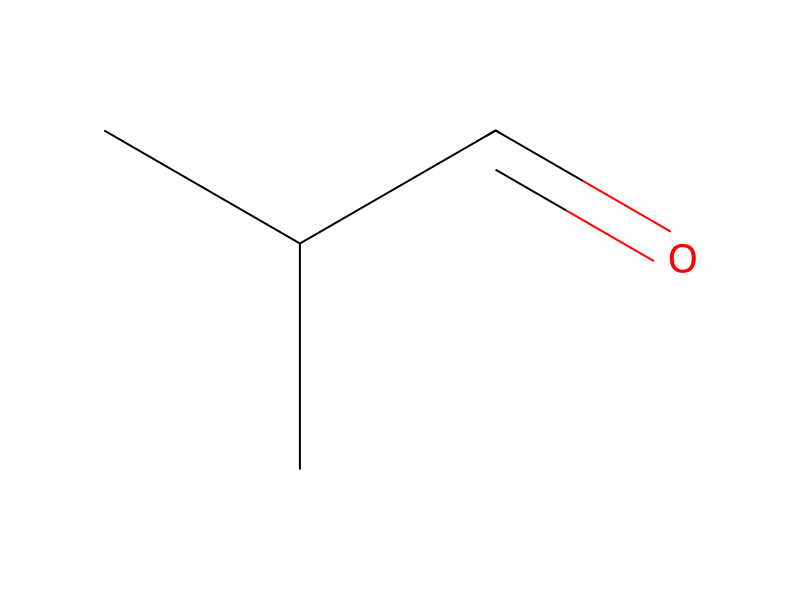
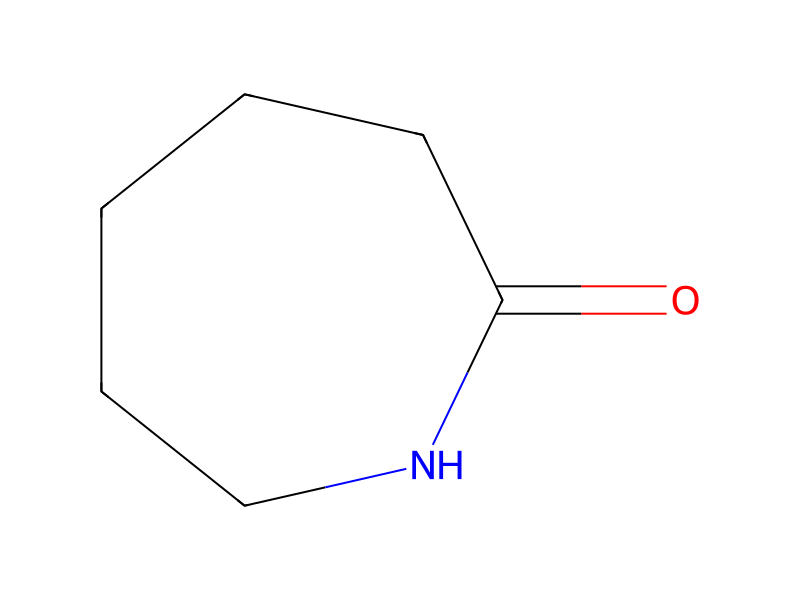
[C:1]1(=[O:8])[NH:7][CH2:6][CH2:5][CH2:4][CH2:3][CH2:2]1.[CH2:9]=O.[CH:11](=[O:15])[CH:12]([CH3:14])[CH3:13].Cl.[OH-].[Na+]>>[CH3:13][C:12]([CH3:9])([CH:11]=[O:15])[CH2:14][N:7]1[CH2:6][CH2:5][CH2:4][CH2:3][CH2:2][C:1]1=[O:8]Participants




Procedure
In a round-bottom flask with a mounted reflux condenser and under nitrogen atmosphere, 80.5 g (0.71 mol) of ε-caprolactam, 59.3 g (0.71 mol) of 36% aqueous formaldehyde, and 56.4 g (0.78 mol) of isobutyraldehyde were introduced while being stirred vigorously, mixed with 13.4 g of concentrated hydrochloric acid (slight exothermicity). After that, the mixture was heated to boiling in an oil bath (100° C.) and was kept boiling overnight. The clear, yellowish reaction mixture was neutralized with 2N NaOH, extracted twice with ethyl acetate, the combined organic phases were washed with brine, dried on MgSO4 and completely concentrated by evaporation in a rotary evaporator. The yellow oil that was obtained was fractionated in a vacuum. The product distilled at an overhead temperature of 98° C. and a pressure of 4·10−2 mbar. Yield: 20.7 g (15% of theory) of colorless and odorless liquid, which crystallized when left to stand.
Workup
- temperatureIn a round-bottom flask with a mounted reflux condenser
- temperatureAfter that, the mixture was heated
- customto boiling in an oil bath
- extractionextracted twice with ethyl acetate
- washthe combined organic phases were washed with brine
- customdried on MgSO4
- concentrationcompletely concentrated by evaporation in a rotary evaporator
- customThe yellow oil that was obtained
- distillationThe product distilled at an overhead temperature of 98° C.
- customYield: 20.7 g (15% of theory) of colorless and odorless liquid, which crystallized when
- waitleft
Sources & evidence
- ORD record
- ord-de6044e3b7da4d08b45a50db84fdf9a0
- Source dataset
- uspto-grants-2012_04
- Patent number
- US08157950B2
Reaction notes
Loading…