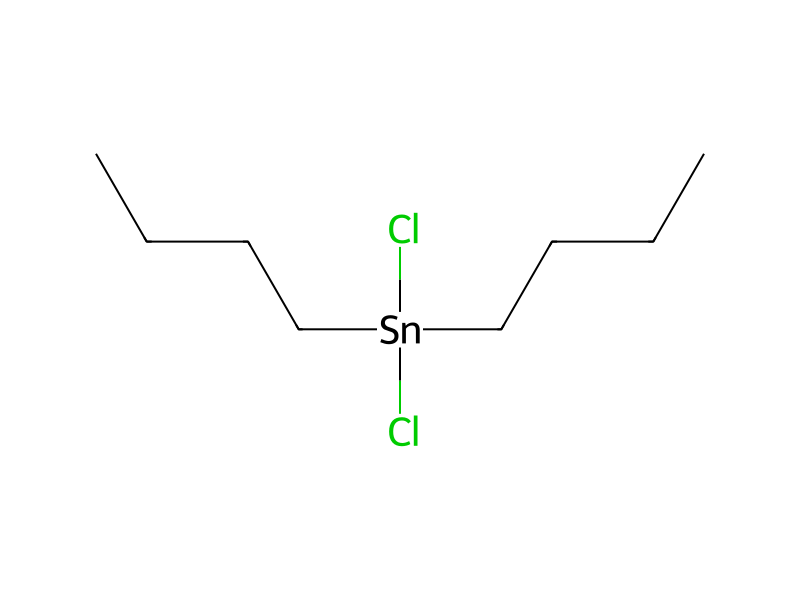
Dibutyltin dichloride → 5-Bromo-3-(2,2-dimethyl-[1,3]dioxan-5-ylamino)-thiophene-2-carboxylic acid methyl ester
Reaction equation

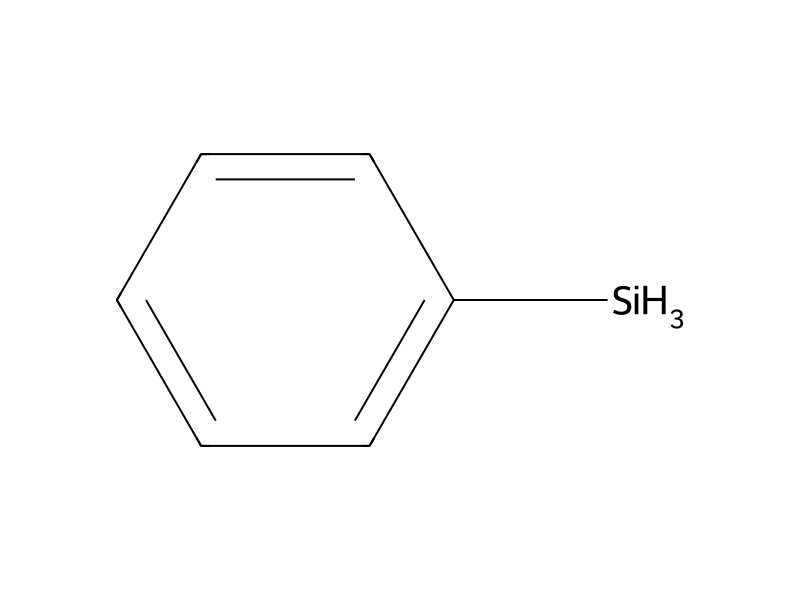
[CH3:1][O:2][C:3]([C:5]1[S:6][C:7]([Br:11])=[CH:8][C:9]=1[NH2:10])=[O:4].[CH3:12][C:13]1([CH3:20])[O:18][CH2:17][C:16](=O)[CH2:15][O:14]1.C([Sn](Cl)(Cl)CCCC)CCC.C1([SiH3])C=CC=CC=1>C1COCC1.C(OCC)(=O)C>[CH3:1][O:2][C:3]([C:5]1[S:6][C:7]([Br:11])=[CH:8][C:9]=1[NH:10][CH:16]1[CH2:17][O:18][C:13]([CH3:20])([CH3:12])[O:14][CH2:15]1)=[O:4]Participants
Reactant 4


Product 1

Reagents, catalysts & solvents 2


Procedure
A suspension of 3-amino-5-bromo-thiophene-2-carboxylic acid methyl ester (0.5 g, 2.12 mmol) in dry THF (0.6 mL) was treated with 2,2-dimethyl-[1,3]dioxan-5-one (253 μl, 2.12 mmol), followed by dibutyltin dichloride (32 mg, 0.11 mmol). After 5 min phenyl silane (280 μl, 2.27 mmol) was added and the reaction was stirred at room temperature for 3 days. It was dissolved in ethyl acetate (100 mL), washed with NaHCO3 solution and brine. The organic layer was separated, dried over MgSO4, evaporated and left on vacuum pump overnight. The residue was triturated with hexane-ether (4:1) mixture (2×100 mL). The soluble portion was evaporated and purified by chromatography over silica gel (hexane:ethyl acetate-95:5) yielding pure 5-bromo-3-(2,2-dimethyl-[1,3]dioxan-5-ylamino)-thiophene-2-carboxylic acid methyl ester (220 mg, 29%).
Workup
- washwashed with NaHCO3 solution and brine
- customThe organic layer was separated
- dry with materialdried over MgSO4
- customevaporated
- waitleft on vacuum pump overnight
- customThe residue was triturated with hexane-ether (4:1) mixture (2×100 mL)
- customThe soluble portion was evaporated
- custompurified by chromatography over silica gel (hexane:ethyl acetate-95:5)
Sources & evidence
- ORD record
- ord-547256c628f147049250b8bcf4f85f82
- Source dataset
- uspto-grants-2012_04
- Patent number
- US08158675B2
Reaction notes
Loading…