Sodium borohydride → HCID 57570973, compound
Reaction equation

C([O:3][C:4]([C:6]1[CH:11]=[C:10]([O:12][CH2:13][CH2:14][CH2:15][NH:16][C:17]([O:19][C:20]([CH3:23])([CH3:22])[CH3:21])=[O:18])[CH:9]=[C:8]([C:24](OCC)=[O:25])[N:7]=1)=O)C.[BH4-].[Na+].[Cl-].[Ca+2].[Cl-].[H][H]>C(O)C>[C:20]([O:19][C:17]([NH:16][CH2:15][CH2:14][CH2:13][O:12][C:10]1[CH:9]=[C:8]([CH2:24][OH:25])[N:7]=[C:6]([CH2:4][OH:3])[CH:11]=1)=[O:18])([CH3:23])([CH3:21])[CH3:22]Participants
6
Reactant 4



Product 1

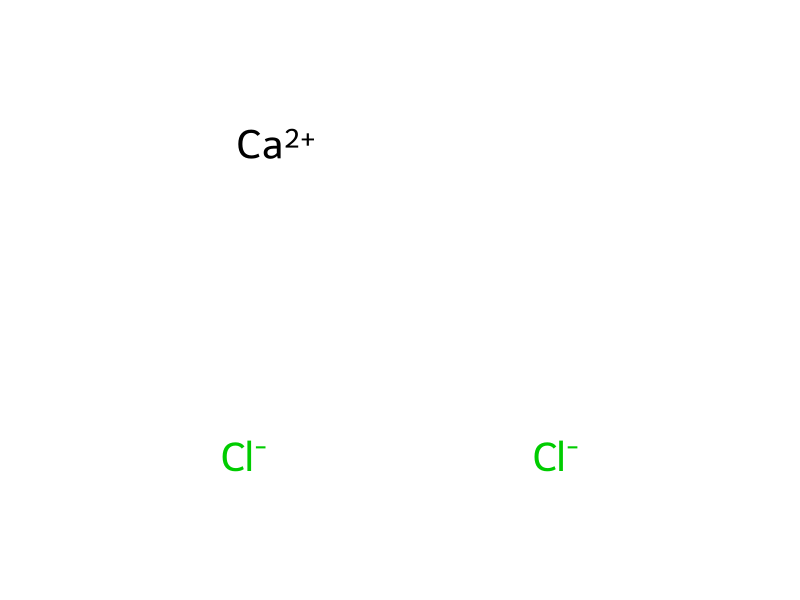
Reagents, catalysts & solvents 1

Procedure
To a solution of 4-(3-tert-butoxycarbonylamino-propoxy)-pyridine-2,6-dicarboxylic acid diethyl ester (150 mg) in absolute ethanol (5 mL) was added sodium borohydride (43 mg) and calcium chloride (128 mg). After stirring for 4 h, hydrogen evolution ceased, and reaction was quenched with water. Solvent was evaporated under reduced pressure. The residue was then washed into separatory funnel using dichloromethane and water. The layers were separated, and the aqueous layer was extracted three times with dichloromethane. The combined organic solutions were dried over magnesium sulphate, and concentrated in vacuo to give 4-(3-tert-butoxycarbonylamino-propoxy)-2,6-bis-(hydroxymethyl)pyridine (80 mg):
Workup
- customreaction
- customwas quenched with water
- customSolvent was evaporated under reduced pressure
- washThe residue was then washed into separatory funnel
- customThe layers were separated
- extractionthe aqueous layer was extracted three times with dichloromethane
- dry with materialThe combined organic solutions were dried over magnesium sulphate
- concentrationconcentrated in vacuo
Sources & evidence
- ORD record
- ord-9f31a6c0ebfe4bed80ccf0f989f387d4
- Source dataset
- uspto-grants-2012_04
- Patent number
- US08163736B2
Reaction notes
Loading…