Acetonitrile → HCID 67178098, compound
Reaction equation

[CH2:1]([NH:3][C:4]([NH:6][C:7]1[CH:12]=[CH:11][C:10]([C:13]2[N:14]=[C:15]([N:27]3[CH2:32][CH2:31][O:30][CH2:29][CH2:28]3)[C:16]3[CH2:17][CH2:18][N:19]4[C@H:23]([C:24]=3[N:25]=2)[CH2:22][CH2:21][C:20]4=[O:26])=[CH:9][CH:8]=1)=[O:5])[CH3:2].ClC1N=C(N2CCOCC2)C2CCN3C(C=2N=1)CCC3=O.B(O)O.C([O-])(=O)C.[K+].C(#N)C>O.C1C=CC([P]([Pd]([P](C2C=CC=CC=2)(C2C=CC=CC=2)C2C=CC=CC=2)([P](C2C=CC=CC=2)(C2C=CC=CC=2)C2C=CC=CC=2)[P](C2C=CC=CC=2)(C2C=CC=CC=2)C2C=CC=CC=2)(C2C=CC=CC=2)C2C=CC=CC=2)=CC=1>[CH2:1]([NH:3][C:4]([NH:6][C:7]1[CH:8]=[CH:9][C:10]([C:13]2[N:14]=[C:15]([N:27]3[CH2:28][CH2:29][O:30][CH2:31][CH2:32]3)[C:16]3[CH2:17][CH2:18][N:19]4[C@@H:23]([C:24]=3[N:25]=2)[CH2:22][CH2:21][C:20]4=[O:26])=[CH:11][CH:12]=1)=[O:5])[CH3:2]Participants

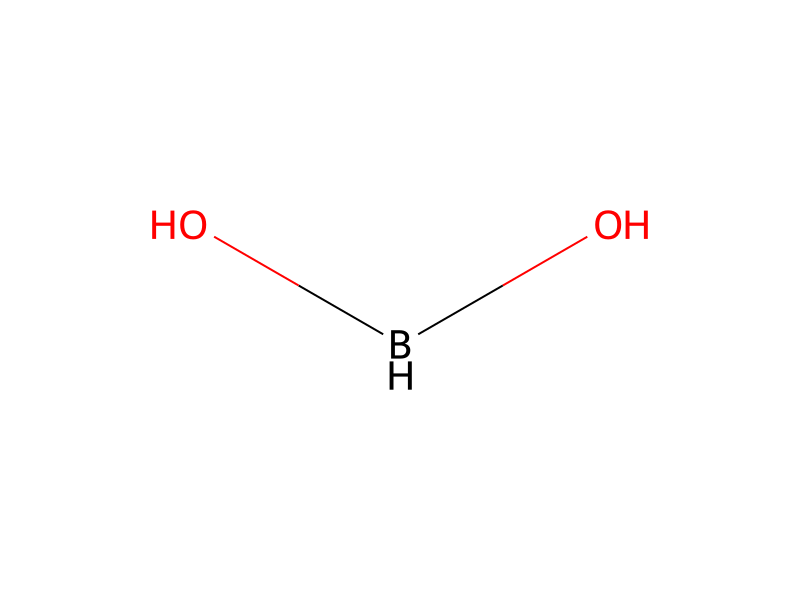





Conditions
- Temperature
- 90 °C
Procedure
and (S)-1-ethyl-3-(4-(4-morpholino-8-oxo-5,6,8,9,10,10a-hexahydropyrimido[5,4-g]indolizin-2-yl)phenyl)urea (xl2): 2-Chloro-4-morpholino-5,6,10,10a-tetrahydropyrimido[5,4-g]indolizin-8(9H)-one (0.232 g, 0.000751 mol), [4-Ethylureido)phenyl]boronic acid, pinacol ester (0.284 g, 0.000979 mol), Tetrakis(triphenylphosphine)palladium(0) (0.0541 g, 0.0000468 mol) Sodium carbonate (0.122 g, 0.00115 mol) and Potassium acetate (0.118 g, 0.00120 mol) were combined, nitrogen purged three times, added dry Acetonitrile (6.00 mL, 0.115 mol) followed by deoxygenated Water (3.80 mL, 0.211 mol), heated at 90° C. and stirred overnight. The reaction mixture was diluted with water, extracted three times with 10% MeOH in dichloromethane, dried over Magnesium sulfate, filtered, concentrated, chromatographed through silica gel (12 g, 0-50% EtOAc in heptane followed by 5% MeOH in dichloromethane), purified by HPLC, and the enantiomers were separated out by SFC. Enantiomer 1 1H NMR (400 MHz, DMSO) δ 8.65 (s, 1H), 8.20 (d, J=8.7, 2H), 7.49 (d, J=8.8, 2H), 6.15 (t, J=5.5, 1H), 4.68 (t, J=8.2, 1H), 4.11 (dd, J=12.4, 5.0, 1H), 3.78 (dd, J=8.9, 6.2, 2H), 3.71-3.62 (m, 2H), 3.61-3.50 (m, 2H), 3.31 (m, 2H), 3.18-3.05 (m, 2H), 2.91 (t, J=10.2, 1H), 2.84-2.71 (m, 1H), 2.70-2.59 (m, 1H), 2.57-2.43 (m, 2H), 2.35-2.22 (m, 1H), 1.93-1.80 (m, 1H), 1.06 (t, J=7.2, 3H). LC/MS-m/z+437.2 (M+H)+; Enantiomer 2 1H NMR (400 MHz, DMSO) δ 8.65 (s, 1H), 8.20 (d, J=8.7, 2H), 7.49 (d, J=8.7, 2H), 6.15 (t, J=5.4, 1H), 4.68 (t, J=8.0, 1H), 4.11 (dd, J=12.6, 5.3, 1H), 3.78 (dd, J=8.8, 6.3, 2H), 3.73-3.61 (m, 2H), 3.56 (dd, J=11.9, 5.3, 2H), 3.31 (m, 2H), 3.18-3.06 (m, 2H), 2.91 (t, J=12.3, 1H), 2.83-2.71 (m, 1H), 2.70-2.59 (m, 1H), 2.59-2.42 (m, 2H), 2.37-2.21 (m, 1H), 1.94-1.79 (m, 1H), 1.06 (t, J=7.2, 3H). LC/MS-m/z+437.2 (M+H)+.
Workup
- customnitrogen purged three times
- extractionextracted three times with 10% MeOH in dichloromethane
- dry with materialdried over Magnesium sulfate
- filtrationfiltered
- concentrationconcentrated
- customchromatographed through silica gel (12 g, 0-50% EtOAc in heptane followed by 5% MeOH in dichloromethane)
- custompurified by HPLC
- customthe enantiomers were separated out by SFC
Sources & evidence
- ORD record
- ord-6660ccf8e0a34222a9eff69ea595d781
- Source dataset
- uspto-grants-2012_04
- Patent number
- US08163763B2
Reaction notes
Loading…