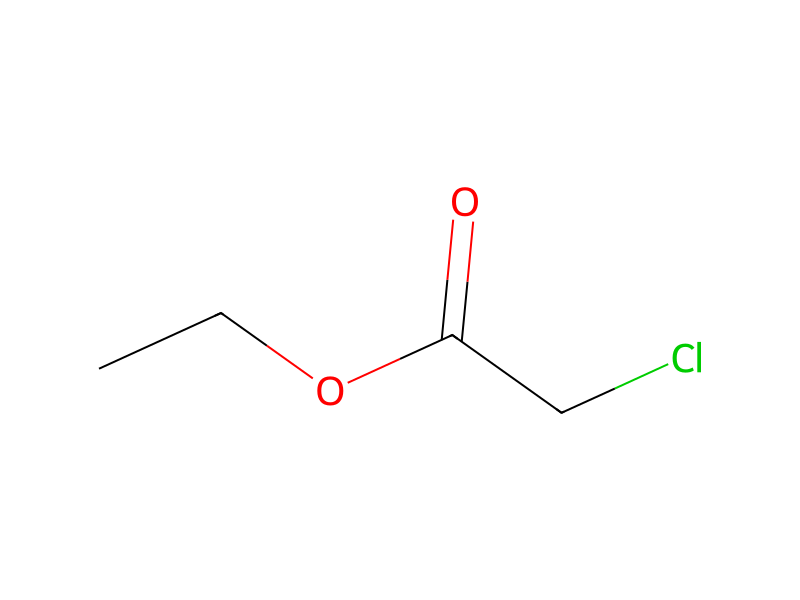
Ethyl chloroacetate → Ethyl (7-chloro-2,4-dioxo-3,4-dihydroquinazolin-1(2H)-yl)acetate
Reaction equation

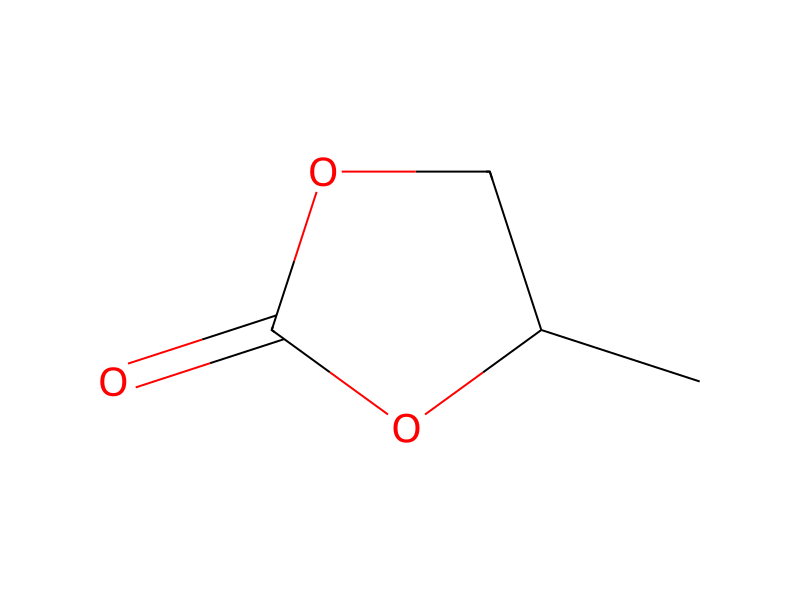
[Cl:1][C:2]1[CH:11]=[C:10]2[C:5]([C:6](=[O:13])[NH:7][C:8](=[O:12])[NH:9]2)=[CH:4][CH:3]=1.ClC1C=C2C(C(O[Si](C)(C)C)=NC(O[Si](C)(C)C)=N2)=CC=1.Cl[CH2:36][C:37]([O:39][CH2:40][CH3:41])=[O:38].[Br-].[Na+]>C1(=O)OC(C)CO1>[Cl:1][C:2]1[CH:11]=[C:10]2[C:5]([C:6](=[O:13])[NH:7][C:8](=[O:12])[N:9]2[CH2:36][C:37]([O:39][CH2:40][CH3:41])=[O:38])=[CH:4][CH:3]=1Participants
6
Reactant 4


Product 1

Reagents, catalysts & solvents 1
Procedure
As in Example 1, 7-chloro-2,4-dioxo-1,2,3,4-tetrahydroquinazoline (20 g) was silylated and the toluene was distilled off to give a concentrate containing 7-chloro-2,4-bis(trimethylsilyloxy)quinazoline. To this concentrate were added propylene carbonate (40 ml), ethyl chloroacetate (16.21 g) and sodium bromide (2.09 g), and the reaction was carried out at an internal temperature of 125˜140° C. for 10 hours. This reaction mixture was cooled to ≦70° C. and worked up as in Example 1 to provide ethyl 2-(7-chloro-2,4-dioxo-1,2,3,4-tetrahydroquinazolin-1-yl)acetate (27.02 g).
Workup
- distillationthe toluene was distilled off
- customto give a concentrate
- temperatureThis reaction mixture was cooled to ≦70° C.
Sources & evidence
- ORD record
- ord-ac1a317ea09f459da0f03e953f320291
- Source dataset
- uspto-grants-2002_02
- Patent number
- US06344559B1
Reaction notes
Loading…