Hydrochloric Acid → 1-Acetyl-4-(2',4'-difluorobenzoyl)piperidine
Reaction equation

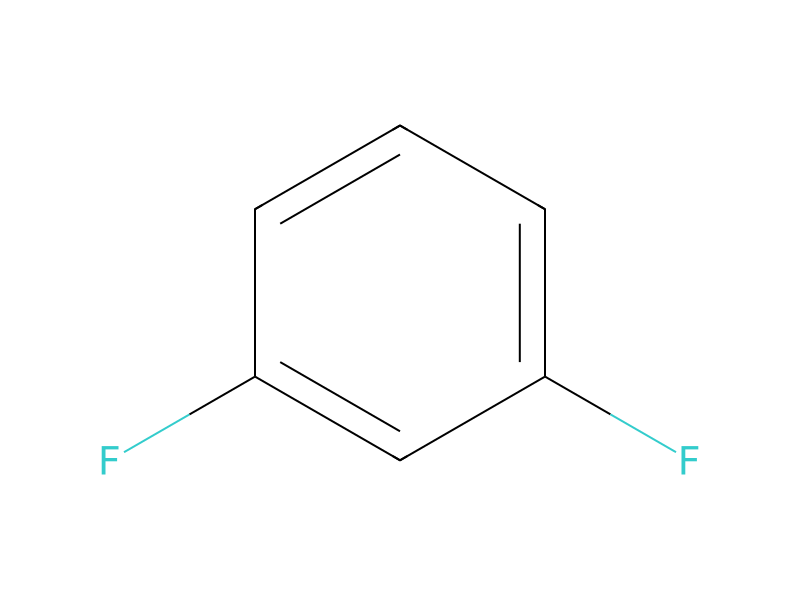
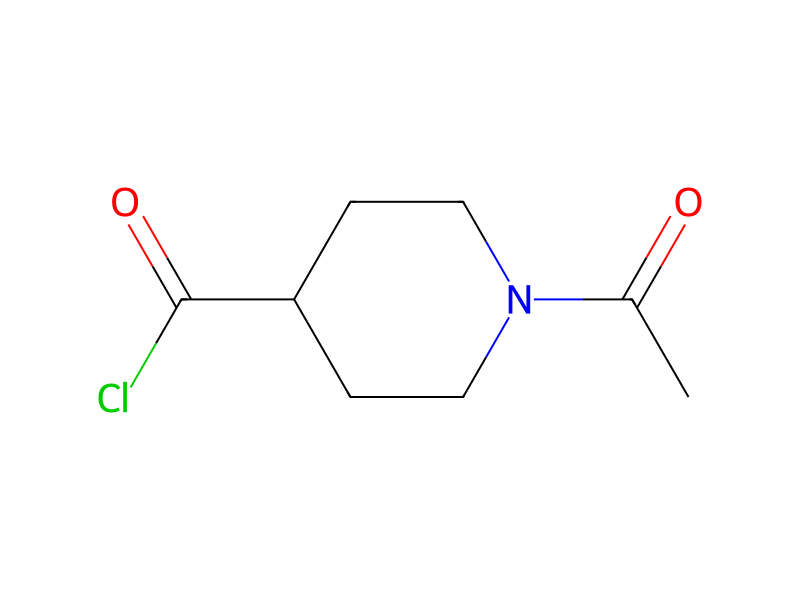
[F:1][C:2]1[CH:7]=[CH:6][CH:5]=[C:4]([F:8])[CH:3]=1.[Cl-].[Al+3].[Cl-].[Cl-].[C:13]([N:16]1[CH2:21][CH2:20][CH:19]([C:22](Cl)=[O:23])[CH2:18][CH2:17]1)(=[O:15])[CH3:14].Cl>ClCCl>[C:13]([N:16]1[CH2:17][CH2:18][CH:19]([C:22](=[O:23])[C:5]2[CH:6]=[CH:7][C:2]([F:1])=[CH:3][C:4]=2[F:8])[CH2:20][CH2:21]1)(=[O:15])[CH3:14]Participants
6




Procedure
To a stirred of mixture of 56 ml of 1,3-difluorobenzene, 130 g of aluminium chloride and 147 ml of dichloromethane, a solution of 95 g of 1-acetyl-4-piperidinecarbonyl chloride in 50 ml of dichloromethane was added dropwise while cooling. Upon completion, stirring was continued for 3 hours at room temperature. The reaction mixture was poured out into a mixture of crushed ice and hydrochloric acid. The product was extracted with dichloromethane. The organic layer was dried, filtered and evaporated, yielding 48 g (36%) of 1-acetyl-4-(2,4-difluorobenzoyl)piperidine as a residue (interm. 1).
Workup
- temperaturewhile cooling
- extractionThe product was extracted with dichloromethane
- customThe organic layer was dried
- filtrationfiltered
- customevaporated
Sources & evidence
- ORD record
- ord-316be4f38d2f4295a4966913ccbd2ea2
- Source dataset
- uspto-grants-2002_02
- Patent number
- US06348457B1
Reaction notes
Loading…