Acetone → 2-Chlorobenzylideneacetone
Reaction equation

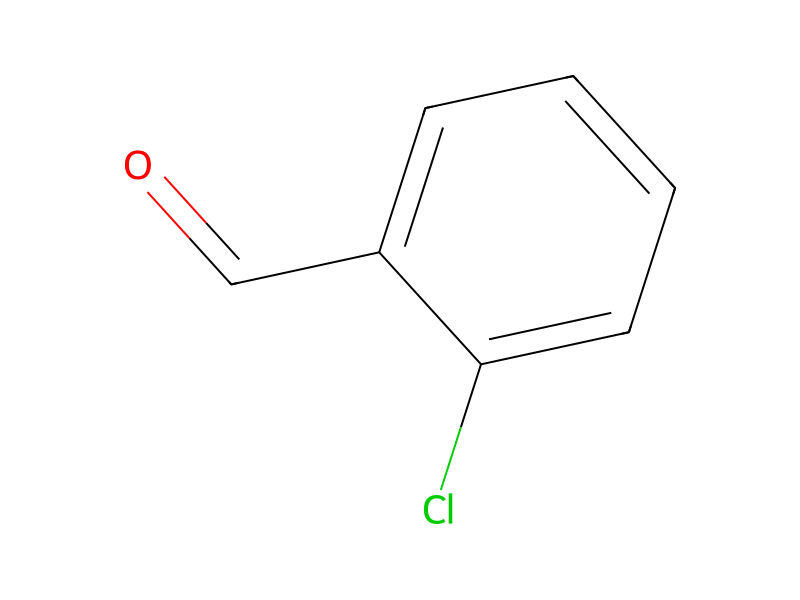
[OH-].[Na+].[Cl:3][C:4]1[CH:11]=[CH:10][CH:9]=[CH:8][C:5]=1[CH:6]=O.[CH3:12][C:13]([CH3:15])=[O:14]>>[Cl:3][C:4]1[CH:11]=[CH:10][CH:9]=[CH:8][C:5]=1[CH:6]=[CH:12][C:13](=[O:14])[CH3:15]Participants
4



Procedure
To a mixed solution of acetone (294 ml) and an aqueous solution (1.4 l) of sodium hydroxide (22.0 g) was added 2-chlorobenzaldehyde (70.3 g), and the mixture was stirred at room temperature for 5 hours. Excess acetone was evaporated under reduced pressure, and to the residue was added ethyl acetate (1.4 l). The mixture was subjected to extraction, and the ethyl acetate layer was washed with brine and dried (anhydrous magnesium sulfate). Under reduced pressure, ethyl acetate was evaporated to give crude 2-chlorobenzalacetone (94.6 g) as yellow oil, which was used for the following reaction without further purification.
Workup
- customExcess acetone was evaporated under reduced pressure
- additionto the residue was added ethyl acetate (1.4 l)
- extractionThe mixture was subjected to extraction
- washthe ethyl acetate layer was washed with brine
- dry with materialdried (anhydrous magnesium sulfate)
- customUnder reduced pressure, ethyl acetate was evaporated
Sources & evidence
- ORD record
- ord-af6a7b13a7db4278bf12b038cc7ee97c
- Source dataset
- uspto-grants-2002_02
- Patent number
- US06350749B1
Reaction notes
Loading…