Dicyclohexylcarbodiimide → HCID 86736853, compound
Reaction equation

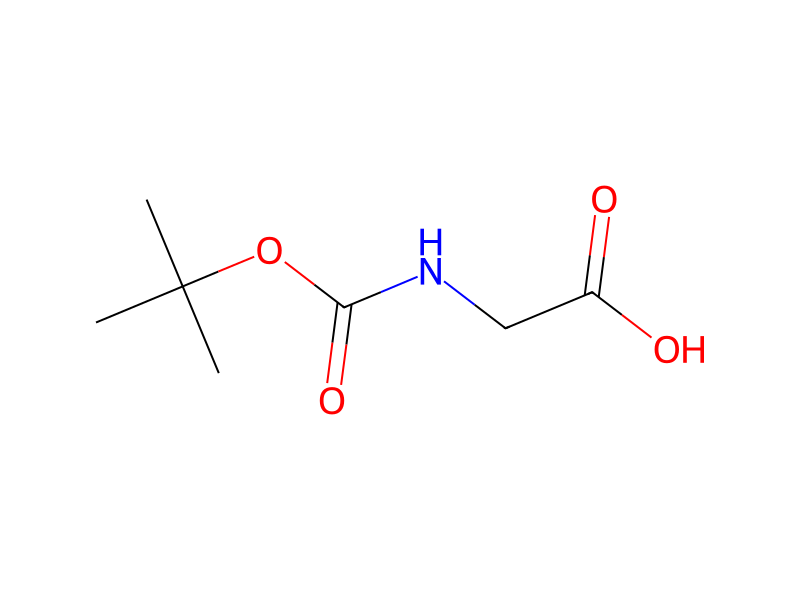
Br.[C:2]1([N:8]=[N:9][C:10]2[C:19]3[C:14](=[CH:15][CH:16]=[CH:17][CH:18]=3)[C:13]([NH:20][C:21](=[O:27])[C@@H:22]3[CH2:26][CH2:25][CH2:24][NH:23]3)=[CH:12][CH:11]=2)[CH:7]=[CH:6][CH:5]=[CH:4][CH:3]=1.[C:28]([O:32][C:33]([NH:35][CH2:36][C:37](O)=[O:38])=[O:34])([CH3:31])([CH3:30])[CH3:29].C1(N=C=NC2CCCCC2)CCCCC1>>[C:2]1([N:8]=[N:9][C:10]2[C:19]3[C:14](=[CH:15][CH:16]=[CH:17][CH:18]=3)[C:13]([NH:20][C:21](=[O:27])[C@@H:22]3[CH2:26][CH2:25][CH2:24][N:23]3[C:37](=[O:38])[CH2:36][NH:35][C:33]([O:32][C:28]([CH3:30])([CH3:29])[CH3:31])=[O:34])=[CH:12][CH:11]=2)[CH:7]=[CH:6][CH:5]=[CH:4][CH:3]=1Participants
4



Procedure
The L-proline 4-phenylazo-1-naphthylamide hydrobromide thus obtained and t-butyloxycarbonyl glycine (1.36 g, 0.0077 mole) were coupled by N, N'dicyclohexylcarbodimide and the reaction mixture was worked up as in Example 6. The crude product was then purified by column chromatography, and the final product was obtained as crystals. Yield 1.1 g.
Workup
- customThe crude product was then purified by column chromatography
Sources & evidence
- ORD record
- ord-b5bc2cbce5db4d1d900b5b2e4a49fec1
- Source dataset
- uspto-grants-1980_03
- Patent number
- US04191808
Reaction notes
Loading…