Dimethylformamide → 3,4-Bis(pivalyloxy)phenyl tert-butylaminomethyl ketone
Reaction equation

[CH3:1][O-].[Na+].Cl.[C:5]([NH:9][CH2:10][C:11]([C:13]1[CH:18]=[CH:17][C:16]([OH:19])=[C:15]([OH:20])[CH:14]=1)=[O:12])([CH3:8])([CH3:7])[CH3:6].[C:21]1([O-])[CH:26]=[CH:25]C=CC=1.[Na+].[C:29](Cl)(=[O:34])[C:30]([CH3:33])([CH3:32])[CH3:31].CN(C)[CH:38]=[O:39]>>[C:5]([NH:9][CH2:10][C:11]([C:13]1[CH:18]=[CH:17][C:16]([O:19][C:29](=[O:34])[C:30]([CH3:33])([CH3:32])[CH3:31])=[C:15]([O:20][C:38](=[O:39])[C:26]([CH3:25])([CH3:21])[CH3:1])[CH:14]=1)=[O:12])([CH3:8])([CH3:6])[CH3:7]Participants



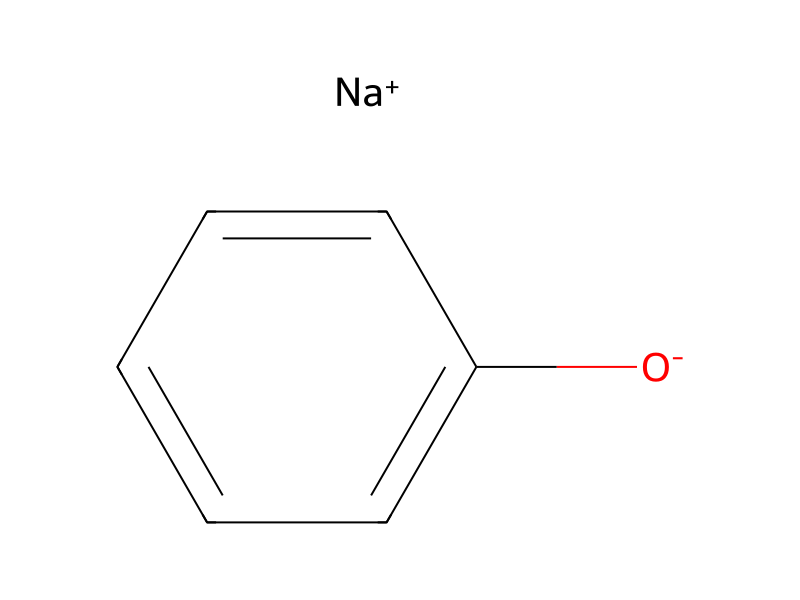


Procedure
Proceeding in a manner similar to that described in part A of Example 2 above, 17 g. of sodium methoxide was interacted with 26 g. of 3,4-dihydroxyphenyl tert-butylaminomethyl ketone hydrochloride in 200 ml. of N,N-dimethylformamide and the resulting sodium phenolate salt was interacted with 24 g. of pivalyl chloride (alternatively designated as trimethylacetyl chloride or 2,2-dimethylpropanoyl chloride). From this acylation reaction there was obtained 3,4-bis(pivalyloxy)phenyl tert-butylaminomethyl ketone which was treated with hydrochloric acid to yield 11.5 g. of 3,4-bis(pivalyloxy)phenyl tert-butylaminomethyl ketone hydrochloride as a white crystalline solid which melted at 243°-244° C. (dec.)(uncorr.). This salt was soluble in water at 25° C. to the extent of at least 1 percent.
Workup
- customFrom this acylation reaction
Sources & evidence
- ORD record
- ord-cbde7ac3d5cc4312a65cd2cc9194ae88
- Source dataset
- uspto-grants-1980_03
- Patent number
- USRE030241
Reaction notes
Loading…