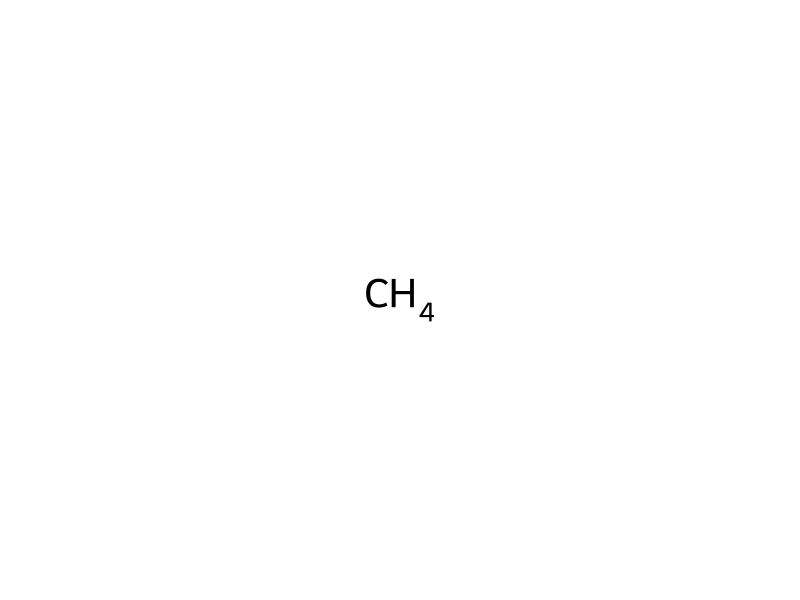
Methane → HCID 131712832, compound
Reaction equation

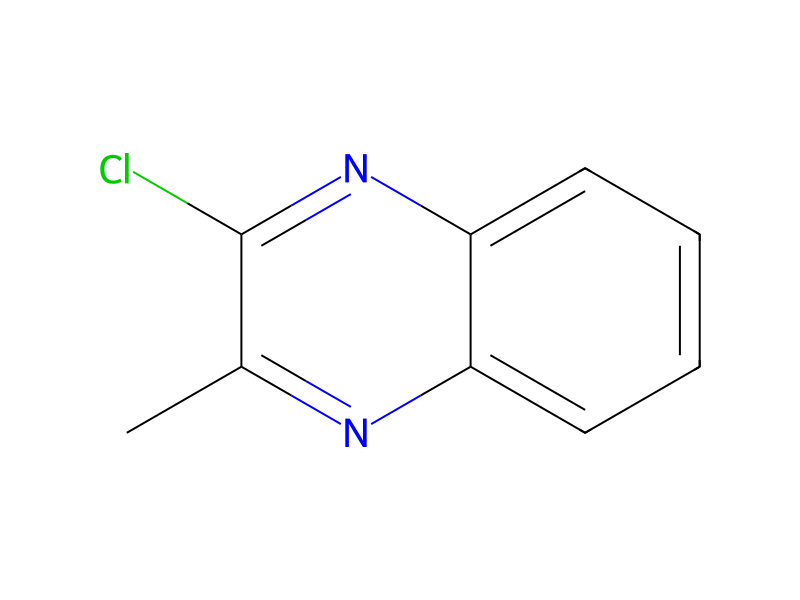
[Cl:1][C:2]1[C:11]([CH3:12])=[N:10][C:9]2[C:4](=[CH:5][CH:6]=[CH:7][CH:8]=2)[N:3]=1.C.[NH:14]1[CH:20]=[CH:19][CH2:18][CH2:17][NH:16][C:15]1=[S:21]>CO>[ClH:1].[CH3:12][C:11]1[C:2]([S:21][C:15]2[NH:16][CH2:17][CH2:18][CH2:19][CH2:20][N:14]=2)=[N:3][C:4]2[C:9]([N:10]=1)=[CH:8][CH:7]=[CH:6][CH:5]=2Participants
5
Reactant 3

Product 1

Reagents, catalysts & solvents 1

Conditions
- Temperature
- 50 °C
Procedure
2-Chloro-3-methylquinoxaline (5.36 g., 0.03 mole) was dissolved in 150 ml. methanol, treated with Norit and filtered. The filtrate was added to 3.91 g. (0.03 mole) of tetrahydro-1,3-diazepine-2-thione. The mixture was stirred in a waterbath heated at 50° C. for 2 hours. The resulting orange solution was concentrated to a volume of 75 ml., then diluted with 150 ml. acetone. The mixture was chilled and 2.5 g. of a solid collected. An additional 3.2 g. of solid was recovered from the mother liquor. The two solids were combined and recrystallized from methanolacetone to give the product as 1.15 g. (12.4%), white solid, m.p. 170°-173° C. (dec)
Workup
- filtrationfiltered
- additionThe filtrate was added to 3.91 g
- concentrationThe resulting orange solution was concentrated to a volume of 75 ml
- addition, then diluted with 150 ml
- temperatureThe mixture was chilled
- customof a solid collected
- customof solid was recovered from the mother liquor
- customrecrystallized from methanolacetone
- customto give the product as 1.15 g
Sources & evidence
- ORD record
- ord-deaa41bc85044aa283934167c43d48a0
- Source dataset
- uspto-grants-1982_09
- Patent number
- US04349674
Reaction notes
Loading…