Hydrochloric Acid → 4-(benzylamino)benzoic acid
Reaction equation

[CH2:1]([NH:8][C:9]1[CH:19]=[CH:18][C:12]([C:13]([O:15]CC)=[O:14])=[CH:11][CH:10]=1)[C:2]1[CH:7]=[CH:6][CH:5]=[CH:4][CH:3]=1.C(O)C.O.[OH-].[K+].Cl>O>[CH2:1]([NH:8][C:9]1[CH:10]=[CH:11][C:12]([C:13]([OH:15])=[O:14])=[CH:18][CH:19]=1)[C:2]1[CH:3]=[CH:4][CH:5]=[CH:6][CH:7]=1Participants
6
Reactant 4



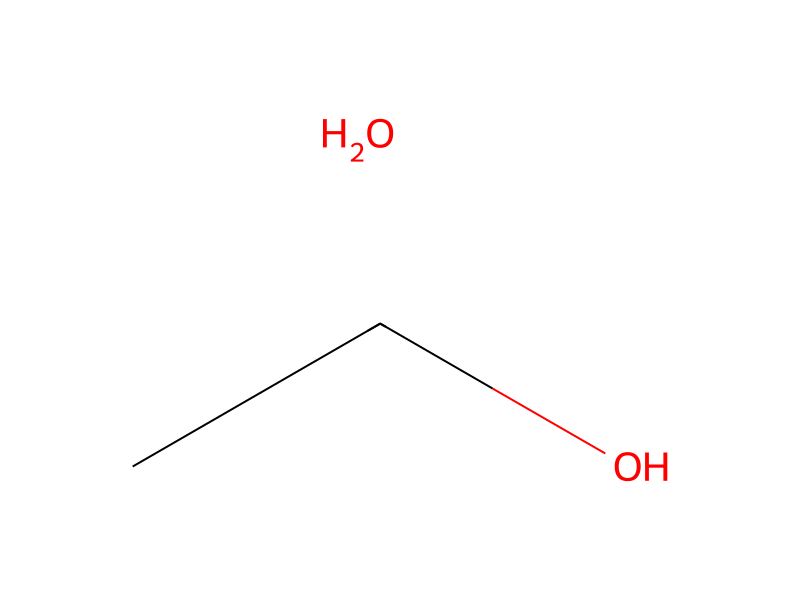
Product 1

Reagents, catalysts & solvents 1

Procedure
A mixture of 6.0 g. of ethyl p-benzylaminobenzoate (prepared as described in Example 9), 100 ml. of ethanol-water (9:1) and 6.0 g. of potassium hydroxide are refluxed for 3.5 hours. The mixture is acidified with concentrated hydrochloric acid, diluted with water, chilled, filtered and the solid washed with water to give pale cream crystals, m.p. 165°-168° C. Recrystallization from ethanol gives tan crystals, m.p. 167°-169° C.
Workup
- additionA mixture of 6.0 g
- temperaturechilled
- filtrationfiltered
- washthe solid washed with water
- customto give pale cream crystals, m.p. 165°-168° C
- customRecrystallization from ethanol
- customgives tan crystals, m.p. 167°-169° C.
Sources & evidence
- ORD record
- ord-767ea7d8626944c69d29f36320a822f0
- Source dataset
- uspto-grants-1982_09
- Patent number
- US04350822
Reaction notes
Loading…