Pyridine → HCID 86736138, compound
Reaction equation

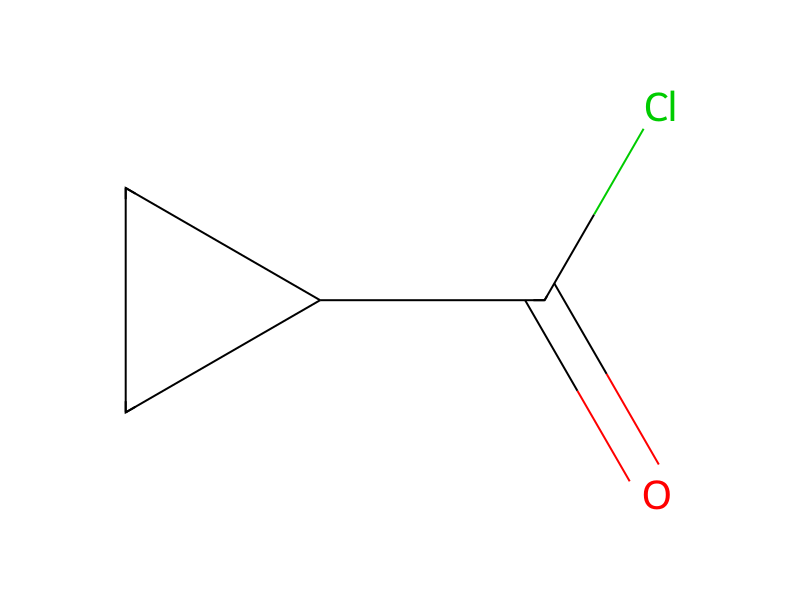
[CH:1]1([C:4](Cl)=[O:5])[CH2:3][CH2:2]1.[Cl:7][C:8]1[CH:13]=[CH:12][C:11]([C:14]2([OH:23])[CH2:22][CH2:21][CH2:20][CH:19]3[CH:15]2[CH2:16][CH2:17][NH:18]3)=[CH:10][CH:9]=1.N1C=CC=CC=1>C(Cl)Cl>[Cl:7][C:8]1[CH:9]=[CH:10][C:11]([C:14]2([OH:23])[CH2:22][CH2:21][CH2:20][CH:19]3[CH:15]2[CH2:16][CH2:17][N:18]3[C:4]([CH:1]2[CH2:3][CH2:2]2)=[O:5])=[CH:12][CH:13]=1Participants
5
Reactant 3


Product 1

Reagents, catalysts & solvents 1

Procedure
The starting material was produced as follows: 2.74 g of Cyclopropanecarboxylic acid chloride was added dropwise to a solution of 7.2 g of (3aRS, 4SR, 7aRS)-4-p-chlorophenylhexahydro-4-indolinol and 2.5 ml of pyridine in 30 ml of methylene chloride at 0° to 10°. The mixture was stirred at room temperature for 1 hour, and then was washed first with a 10% tartaric acid solution, then with a sodium bicarbonate solution, then with a saturated salt solution. The organic phase was dried over sodium sulphate and concentrated to afford (3aRS, 4SR, 7aRS)-4-p-chlorophenyl-1-cyclopropylcarbonylhexahydro-4-indolinol. (M.P. 167°-169°).
Workup
- customThe starting material was produced
- washwas washed first with a 10% tartaric acid solution
- dry with materialThe organic phase was dried over sodium sulphate
- concentrationconcentrated
Sources & evidence
- ORD record
- ord-8f5ca77e22f34f04a13dc81c3bd4bcf7
- Source dataset
- uspto-grants-1978_11
- Patent number
- US04124719
Reaction notes
Loading…