Cyclohexyl isocyanate → N-Cyclohexylformamide
Reaction equation

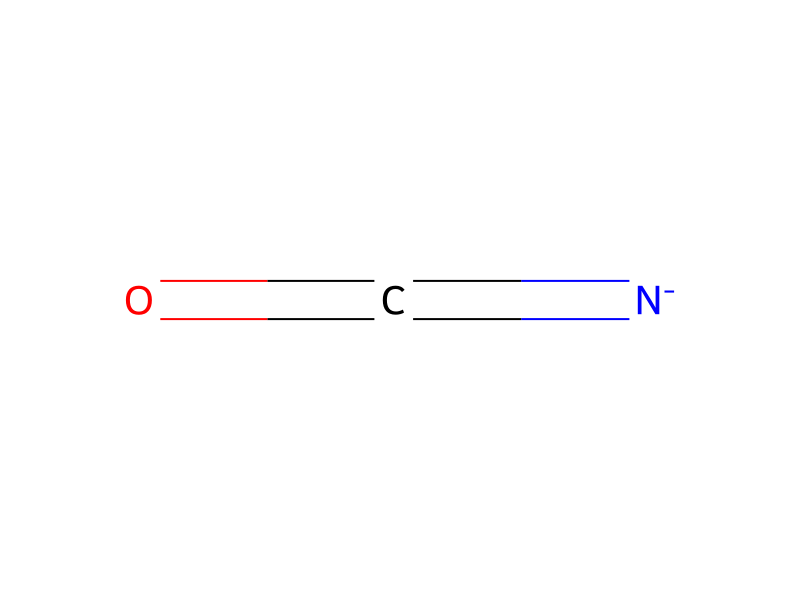
[CH:1]1([N:7]=[C:8]=[O:9])[CH2:6][CH2:5][CH2:4][CH2:3][CH2:2]1.[H][H].[N-]=C=O>O1CCOCC1.C(N(CC)CC)C>[CH:1]1([NH:7][CH:8]=[O:9])[CH2:6][CH2:5][CH2:4][CH2:3][CH2:2]1Participants
6
Reactant 3


Product 1

Reagents, catalysts & solvents 2


Conditions
- Temperature
- -15 °C
Procedure
A solution of cyclohexyl isocyanate (1.25 g.; 0.01 mole) in 100 ml. anhydrous 1,4-dioxane containing two drops of anhydrous triethylamine was mixed with 0.5 gram 10% Pd-on-carbon and shaken at a pressure of 50 p.s.i. of hydrogen on a Parr low pressure hydrogenator. The uptake of hydrogen was complete in two hours. Work up, as in Example 1, gave 1.15 g. of colorless oil containing a trace of isocyanate. The product was purified by slurrying the oil with Skellysolve B, chilling at -15° C. and decanting the supernatant from the crystalline formamide. After drying under high vacuum, the weight of title product was 1.06 g. (83.5% yield). The ir, nmr and glc were identical to an authentic sample.
Workup
- customWork up, as in Example 1, gave 1.15 g
- customThe product was purified
- customdecanting the supernatant from the crystalline formamide
- customAfter drying under high vacuum
Sources & evidence
- ORD record
- ord-3525f5417a87431d84a4f5bdb0f30d16
- Source dataset
- uspto-grants-1978_11
- Patent number
- US04125724
Reaction notes
Loading…