Methane → 2-hydroxy-3-(N-hydroxyamino)propylphosphonic acid
Reaction equation

C(OC([N:6]([CH2:13][CH:14]([OH:24])[CH2:15][P:16](=[O:23])([O:20]CC)[O:17]CC)[O:7]C(OCC)=O)=O)C.C[Si](C)(C)Br.C.C1OC1C>C(Cl)Cl.O.Cl.CO>[OH:24][CH:14]([CH2:13][NH:6][OH:7])[CH2:15][P:16](=[O:17])([OH:23])[OH:20]Participants
Reactant 4
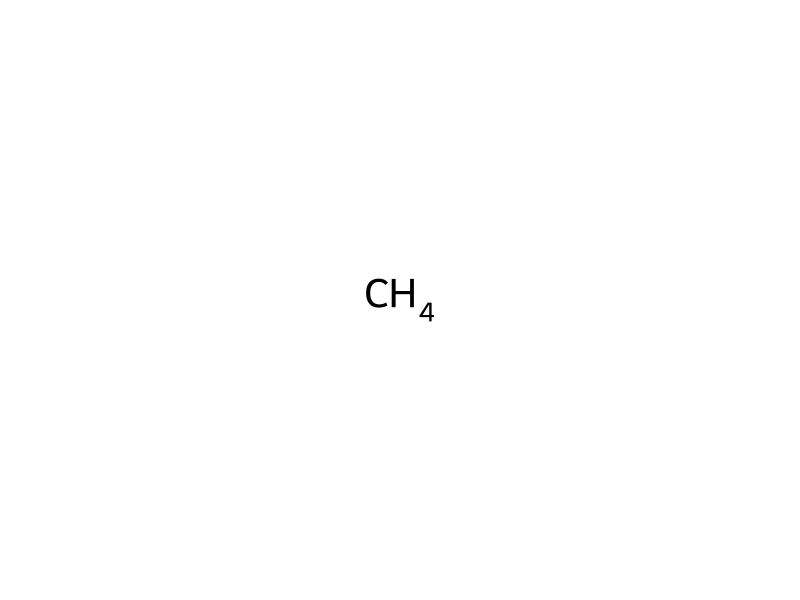


Product 1

Reagents, catalysts & solvents 4




Procedure
To a solution of diethyl 3-(N-ethoxycarbonyl-N-ethoxycarbonyloxyamino)-2-hydroxypropylphosphonate (24.0 g.) in methylene chloride (50 ml.) was added dropwise trimethylbromosilane (41 ml.) under ice-cooling, whereafter the mixture was stirred for half an hour at the same temperature and then for additional 2.5 hours at ambient temperature. After the reaction was completed, the chloroform and the excess of the trimethylbromosilane was distilled off from the reaction mixture under reduced pressure to give a residue, which was dissolved in water (125 ml.) and stirred for an hour at an hour at ambient temperature. This aqueous solution was washed three times with chloroform (each 30 ml. portion) and evaporated to dryness under reduced pressure to give a residue, which was dissolved in 1 N hydrochloric acid (240 ml.) and heated to reflux for 15 hours. The resultant aqueous solution was evaporated to dryness under reduced pressure to give a residue, which was dissolved in water (60 ml.), decolorized with activated charcoal (500 mg.) and evaporated to dryness under reduced pressure. The residue thus obtained was dissolved in a mixture of water (20 ml.) and methanol (40 ml.), and adjusted to pH 3-4 with propylene oxide (about 25 ml.) to precipitate oily materials. Furthermore, to this solution was added ethanol (80 ml.) and allowed to stand for a while in order to precipitate said materials completely, and these materials were collected by decantation and dissolved in water (20 ml.). The insoluble materials were removed by filtration, and to the filtrate was added methanol (35 ml.) at 50°-60° C. The resultant solution was allowed to stand for 3.5 hours at ambient temperature, and precipitating crystals were collected by filtration, washed twice with methanol (10 ml.) and dried on phosphorus pentoxide to give 2-hydroxy-3-(N-hydroxyamino)-propylphosphonic acid (5.9 g.).
Workup
- temperaturecooling, whereafter the mixture
- distillationthe chloroform and the excess of the trimethylbromosilane was distilled off from the reaction mixture under reduced pressure
- customto give a residue, which
- stirringstirred for an hour at an hour at ambient temperature
- washThis aqueous solution was washed three times with chloroform (each 30 ml
- customportion) and evaporated to dryness under reduced pressure
- customto give a residue, which
- temperatureheated
- temperatureto reflux for 15 hours
- customThe resultant aqueous solution was evaporated to dryness under reduced pressure
- customto give a residue, which
- customevaporated to dryness under reduced pressure
- customThe residue thus obtained
- customto precipitate oily materials
- additionFurthermore, to this solution was added ethanol (80 ml.)
- customto precipitate
- customthese materials were collected by decantation
- dissolutiondissolved in water (20 ml.)
- customThe insoluble materials were removed by filtration
- additionto the filtrate was added methanol (35 ml.) at 50°-60° C
- waitto stand for 3.5 hours at ambient temperature
- customprecipitating crystals
- filtrationwere collected by filtration
- washwashed twice with methanol (10 ml.)
- customdried on phosphorus pentoxide
Sources & evidence
- ORD record
- ord-a0a0d3676397489b9c8ab19ad00512e7
- Source dataset
- uspto-grants-1980_06
- Patent number
- US04206156
Reaction notes
Loading…