Phenyl isocyanate → 1-Phenyl-3-[2-(3-isopropenylphenyl)-2-propyl]carbodiimide
Reaction equation

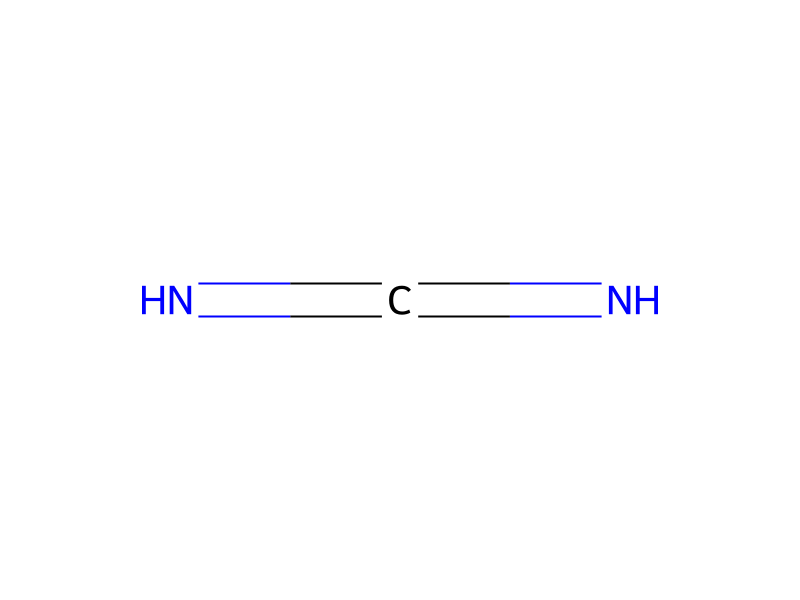
C(OCC1C=CC=CC=1)(=O)C.[CH3:12][C:13]([C:15]1[CH:20]=[CH:19][CH:18]=[C:17]([C:21]([N:24]=[C:25]=O)([CH3:23])[CH3:22])[CH:16]=1)=[CH2:14].[C:27]1([N:33]=C=O)[CH:32]=[CH:31][CH:30]=[CH:29][CH:28]=1.N=C=N.C1(N=C=NC2C=CC=CC=2)C=CC=CC=1>>[C:27]1([N:33]=[C:25]=[N:24][C:21]([C:17]2[CH:18]=[CH:19][CH:20]=[C:15]([C:13]([CH3:12])=[CH2:14])[CH:16]=2)([CH3:23])[CH3:22])[CH:32]=[CH:31][CH:30]=[CH:29][CH:28]=1Participants
6




Conditions
- Temperature
- 150 °C
Procedure
We combined 0.0982 g TPAO, 19.30 g benzyl acetate (internal standard), 60.40 g of m-TMI, and 35.77 g phenyl isocyanate. Heating at 150° C. was carried out for 6 hours; at 2 hours IR showed nearly complete conversion of isocyanates to carbodiimides. GC-FID showed that product was predominantly the title carbodiimide (89.3%), unreacted TMI (4.2%), 1,3-bis[2-(3-isopropenylphenyl-2-propyl]carbodiimide (4.2%) and 1,3-diphenylcarbodiimide (2.9%) versus internal standard. Material from this Example was distilled to obtain in 71% recovery on products of a purified sample (92% pure) of the title product and in 6% recovery on products of a crude (66% purity) sample of the same product.
Workup
- waitat 2 hours IR showed nearly complete
Sources & evidence
- ORD record
- ord-b493d51a97ff4adfa3b5213dc545ac74
- Source dataset
- uspto-grants-1994_10
- Patent number
- US05352400
Reaction notes
Loading…