Formaldehyde → (R)-1-(4-Bromo-2-butynyl)-3-[[(1,1-dimethylethyl)dimethylsilyl]oxy]-2-pyrrolidinone
Reaction equation

[CH3:1][C:2]([Si:5]([CH3:17])([CH3:16])[O:6][C@@H:7]1[CH2:11][CH2:10][N:9]([CH2:12][C:13]#[CH:14])[C:8]1=[O:15])([CH3:4])[CH3:3].C(NCC)C.C=O.N#[C:26][Br:27]>C(OCC)C.O1CCOCC1.C(O)(=O)C>[Br:27][CH2:26][C:14]#[C:13][CH2:12][N:9]1[CH2:10][CH2:11][C@@H:7]([O:6][Si:5]([C:2]([CH3:1])([CH3:3])[CH3:4])([CH3:17])[CH3:16])[C:8]1=[O:15]Participants
8
Reactant 4


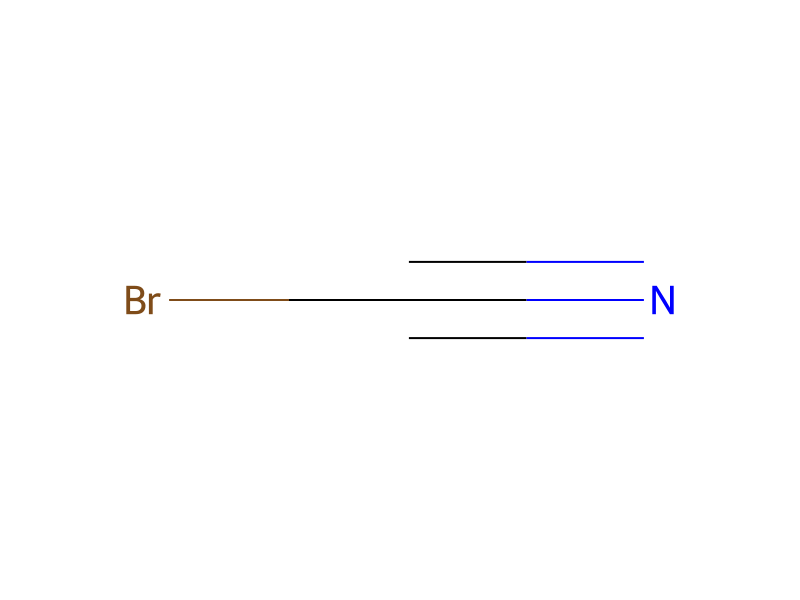

Product 1

Reagents, catalysts & solvents 3



Procedure
The title compound is prepared by the procedure of Example 23 using 10.7 g of (R)-3-[[(1,1-dimethylethyl)dimethylsilyl]oxy]-1-propargyl-2-pyrrolidinone, 8.7 ml of diethylamine, 3.2 g of paraformaldehyde, 0.10 g of cuprous chloride, 15 ml of acetic acid and 100 ml of dioxane. Ten grams of the diamine intermediate is treated with 3.5 g of cyanogen bromide in 150 ml of diethyl ether to give 2.05 g of the desired compound as a yellow oil. [α]D26° =+26° (methylene chloride).
Sources & evidence
- ORD record
- ord-fa1024f2471d4584807cfe702694d84d
- Source dataset
- uspto-grants-1994_10
- Patent number
- US05356885
Reaction notes
Loading…