HCID 15020365, compound → HCID 15020366, compound
Reaction equation

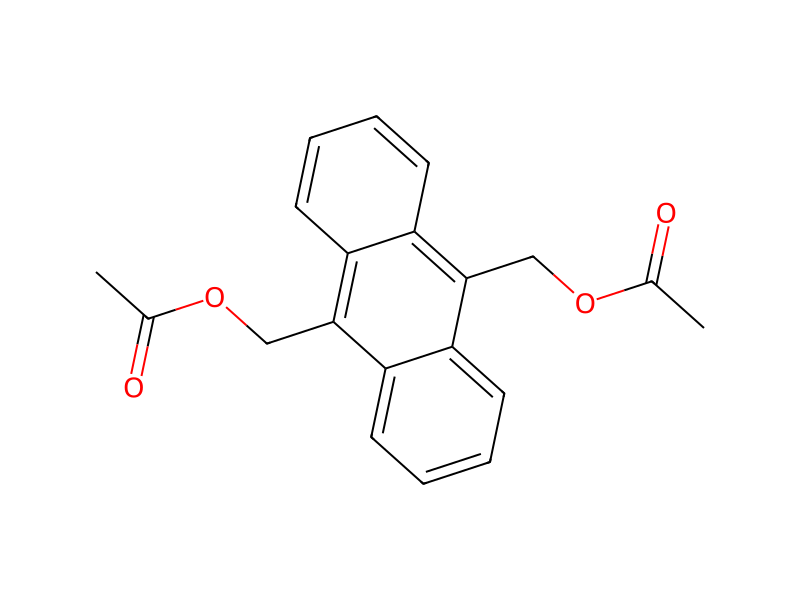
[CH:1]1([CH:7]([C:14]2[CH:19]=[CH:18][C:17]([F:20])=[CH:16][CH:15]=2)[C:8]2[CH:13]=[CH:12][N:11]=[CH:10][CH:9]=2)[CH2:6][CH2:5][CH2:4][CH2:3][CH2:2]1>Cl.CC(OCC1C2C(=CC=CC=2)C(COC(C)=O)=C2C=1C=CC=C2)=O.[Pt]=O>[CH:1]1([CH:7]([C:14]2[CH:19]=[CH:18][C:17]([F:20])=[CH:16][CH:15]=2)[CH:8]2[CH2:13][CH2:12][NH:11][CH2:10][CH2:9]2)[CH2:2][CH2:3][CH2:4][CH2:5][CH2:6]1Participants




Procedure
A mixture of 4-[(cyclohexyl)(4-fluorophenyl)methyl]pyridine (10.42 g, 0.039 mole), platinum oxide (1.5 g), and 10 drops of concentrated hydrochloric acid in 200 ml of glacial acetic was subjected to hydrogenation at 80° C. and 300 p.s.i. overnight, after which NMR analysis showed 50% desired product and 50% starting material. The reaction was repeated using 5% platinum on carbon at 85° C. and 1400 p.s.i. overnight. The reaction mixture was then cooled to room temperature and filtered. Solvent was removed by rotary evaporator. The oil obtained was dissolved in chloroform and extracted with 5% sodium hydroxide and water. The chloroform layer was dried over sodium sulfate, filtered, and solvent removed to give 9.94 g of brown oil. NMR analysis showed a 75%-25% mixture of product and starting material. The 9.94 g of oil obtained was dissolved in methanol and subjected to flash chromatography on silica gel using methanol and ammonium hydroxidemethanol for elution. Fractions of similar purity were combined and solvent removed. The clear oil obtained was dried in vacuo overnight at 80° C., to give 5.86 g (59.6% yield) of title compound as a clear oil.
Workup
- customwas subjected to hydrogenation at 80° C.
- customovernight
Sources & evidence
- ORD record
- ord-cb45513d4df34d82b698064cdbd9832b
- Source dataset
- uspto-grants-1990_08
- Patent number
- US04950674
Reaction notes
Loading…