4-Methoxyphenol → Urethane acrylate
Reaction equation

[C:1]([O:5]CC[N:8]=[C:9]=[O:10])(=[O:4])[CH:2]=[CH2:3].COC1C=CC(O)=CC=1.C(C1C=CC(C)=[C:26]([OH:31])[C:25]=1C(C)(C)C)(C)(C)C.C([O-])(=O)CCCCCCCCCCC.C([O-])(=O)CCCCCCCCCCC.C([Sn+2]CCCC)CCC>>[C:1]([OH:5])(=[O:4])[CH:2]=[CH2:3].[NH2:8][C:9]([O:31][CH2:26][CH3:25])=[O:10]Participants
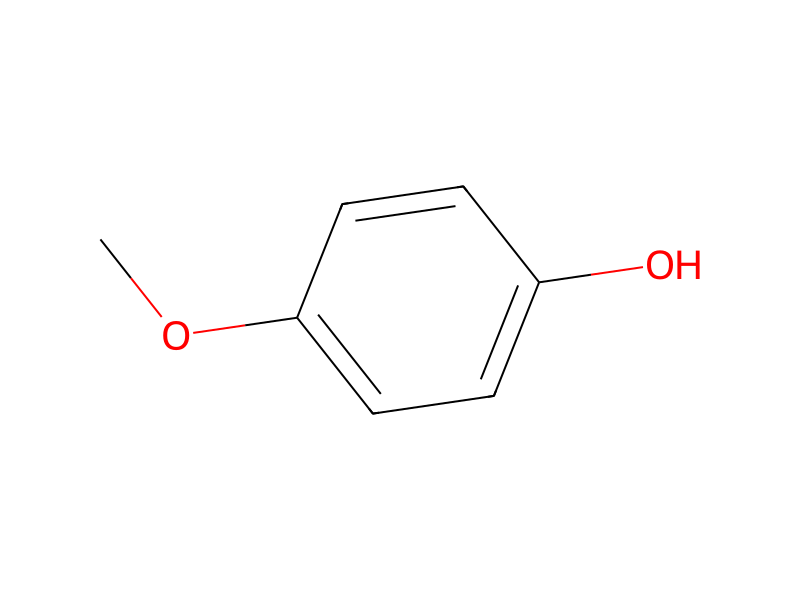


Conditions
- Temperature
- 60 °C
Procedure
625 g (0.5 mol) of polyester polyol in the form of polycaprolactone diol (Daicel Chemical Industries, PLACCEL212, molecular weight: 1,250) and 142 g (1.0 mol) of 2-acryloyloxyethylisocyanate and 1.0 g each of p-methoxyphenol and di-t-butyl-hydroxytoluene were placed in a reaction vessel equipped with a stirring device, thermometer and condenser. After heating to 60° C. while stirring, heating was discontinued followed by the addition of 0.2 g of dibutyl tin dilaurate. Heating was resumed when the temperature inside the reaction vessel began to drop and stirring was continued at 80° C. The reaction was completed by confirming that the absorption spectrum of the isocyanate group (2,280 cm−1) had disappeared based on the infrared absorption spectrum to obtain a urethane acrylate compound in the form of a viscous liquid. The average molecular weight of the resulting urethane acrylate (UA-1) was 1,600.
Workup
- customequipped with a stirring device
- temperatureheating
- temperatureHeating
- stirringstirring
- customwas continued at 80° C
Sources & evidence
- ORD record
- ord-90307c2a7020465ca5837fc1a0f88a30
- Source dataset
- uspto-grants-2010_09
- Patent number
- US07790354B2
Reaction notes
Loading…