Pyridine → N-[6-(5-methyl-2-furyl)-5-pyridin-4-ylpyrazin-2-yl]cyclopropanecarboxamide
Reaction equation

[CH3:1][C:2]1[O:6][C:5]([C:7]2[N:12]=[C:11]([NH2:13])[CH:10]=[N:9][C:8]=2[C:14]2[CH:19]=[CH:18]C=[CH:16][CH:15]=2)=[CH:4][CH:3]=1.[CH:20]1([C:23](Cl)=[O:24])[CH2:22][CH2:21]1.[N:26]1C=CC=CC=1>>[CH3:1][C:2]1[O:6][C:5]([C:7]2[N:12]=[C:11]([NH:13][C:23]([CH:20]3[CH2:22][CH2:21]3)=[O:24])[CH:10]=[N:9][C:8]=2[C:14]2[CH:15]=[CH:16][N:26]=[CH:18][CH:19]=2)=[CH:4][CH:3]=1Participants
4

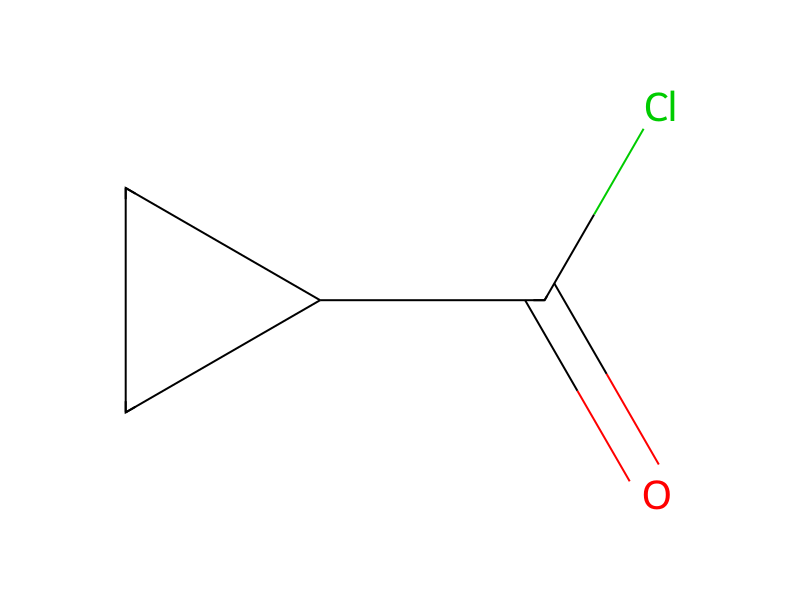


Conditions
- Temperature
- 70 °C
Procedure
To a stirred solution of 6-(5-methylfuran-2-yl)-5-phenylpyrazin-2-ylamine (42 mg, 0.166 mmol) in pyridine (1.8 mL) was added cyclopropanecarbonyl chloride (38 μL, 0.41 mmol). The solution was stirred at 70° C. for 6 h, evaporated, partitioned between dichloromethane and a 4% sodium bicarbonate aqueous solution, the aqueous phase extracted twice with dichloromethane, the organic layers washed with brine, dried (MgSO4) and evaporated. The residue was triturated with diethyl ether and methanol and the precipitate was collected by filtration and dried to furnish the title compound as a brown solid (43 mg, 81%).
Workup
- customevaporated
- custompartitioned between dichloromethane
- extractiona 4% sodium bicarbonate aqueous solution, the aqueous phase extracted twice with dichloromethane
- washthe organic layers washed with brine
- dry with materialdried (MgSO4)
- customevaporated
- customThe residue was triturated with diethyl ether and methanol
- filtrationthe precipitate was collected by filtration
- customdried
Sources & evidence
- ORD record
- ord-030fcc4946d143919220c11a66c81904
- Source dataset
- uspto-grants-2010_09
- Patent number
- US07790728B2
Reaction notes
Loading…