Pyridine → HCID 58903257, compound
Reaction equation

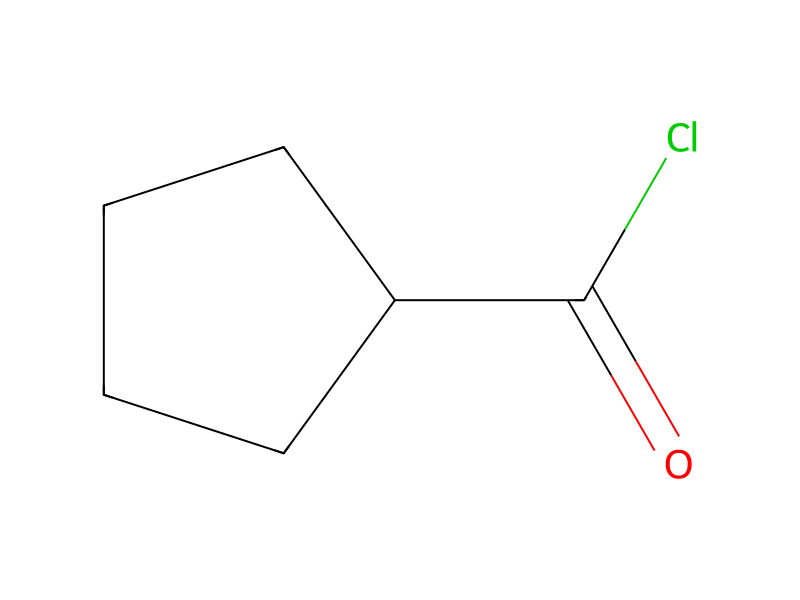
[NH2:1][C:2]1[CH:3]=[C:4]([CH:14]=[C:15]([NH2:17])[CH:16]=1)[C:5]([NH:7][CH:8]1[CH2:13][CH2:12][CH2:11][CH2:10][CH2:9]1)=[O:6].[CH:18]1([C:23](Cl)=[O:24])[CH2:22][CH2:21][CH2:20][CH2:19]1.CN1[C:31](=[O:32])[CH2:30][CH2:29][CH2:28]1.[Li+].[Cl-].N1C=CC=[CH:37][CH:36]=1>>[CH:8]1([NH:7][C:5](=[O:6])[C:4]2[CH:14]=[C:15]([NH:17][C:23]([CH:18]3[CH2:22][CH2:21][CH2:20][CH2:19]3)=[O:24])[CH:16]=[C:2]([NH:1][C:31]([CH:30]3[CH2:37][CH2:36][CH2:28][CH2:29]3)=[O:32])[CH:3]=2)[CH2:13][CH2:12][CH2:11][CH2:10][CH2:9]1Participants
6





Procedure
from 0.50 g (2.14 mmol) of 3,5-diamino-N-cyclohexyl-benzamide, 0.66 g (4.98 mmol) of cyclopentanecarbonylchloride, 30 ml of NMP, 5 ml of pyridine and 0.05 g of dried LiCl according to Method A.
Sources & evidence
- ORD record
- ord-b8d0eba5e2c64ca2914cb315d80d7bd0
- Source dataset
- uspto-grants-2010_09
- Patent number
- US07790793B2
Reaction notes
Loading…