Sodium Iodide → 1-Benzyloxy-3-[3-chloro-4-(3-nitropropyl)phenylthio]benzene
Reaction equation

[CH2:1]([O:8][C:9]1[CH:10]=[C:11]([S:15][C:16]2[CH:21]=[CH:20][C:19]([CH:22]=[CH:23][C:24](OCC)=O)=[C:18]([Cl:29])[CH:17]=2)[CH:12]=[CH:13][CH:14]=1)[C:2]1[CH:7]=[CH:6][CH:5]=[CH:4][CH:3]=1.[Bi](Cl)(Cl)Cl.[BH4-].[Na+].[BH4-].[K+].[Cl-].[Li+].CS(Cl)(=O)=O.[I-].[Na+].[N:47]([O-:49])=[O:48].[Na+]>>[CH2:1]([O:8][C:9]1[CH:14]=[CH:13][CH:12]=[C:11]([S:15][C:16]2[CH:21]=[CH:20][C:19]([CH2:22][CH2:23][CH2:24][N+:47]([O-:49])=[O:48])=[C:18]([Cl:29])[CH:17]=2)[CH:10]=1)[C:2]1[CH:7]=[CH:6][CH:5]=[CH:4][CH:3]=1Participants
Reactant 8




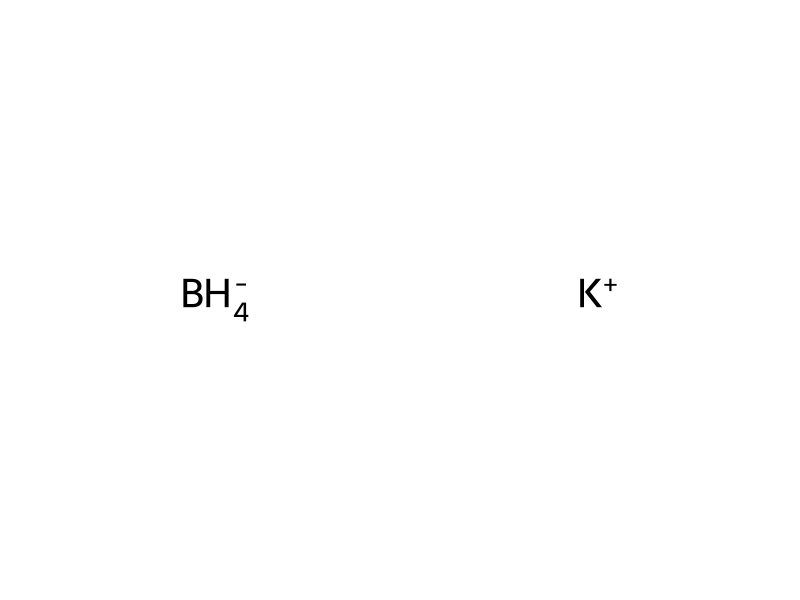



Product 1

Procedure
The process of the present invention, which enables industrial scale production of Compound I, is carried out as follows (See also Scheme I): Ethyl 3-[4-(3-benzyloxyphenylthio)-2-chlorophenyl]acrylate is reduced using bismuth trichloride and sodium borohydride. The reduced product is further reduced using potassium borohydride and lithium chloride. The resulting alcohol derivative is mesylated by reacting with methanesulfonyl chloride. The mesylated product is iodinated with sodium iodide and then reacted with sodium nitrite to form 1-benzyloxy-3-[3-chloro-4-(3-nitropropyl)phenylthio]benzene. This product is reacted with formaldehyde in the presence of a base to form 2-[2-[4-(3-benzyloxyphenylthio)-2-chlorophenyl]ethyl]-2-nitro-1,3-propanediol. Reducing this compound with palladium hydroxide-carbon gives Compound I.
Sources & evidence
- ORD record
- ord-450ba1384c874d23ad9dd3fcb00294e0
- Source dataset
- uspto-grants-2010_09
- Patent number
- US07795472B2
Reaction notes
Loading…