Catechol → 2-[(2-methyl-2-propenyl)oxy]phenol
Reaction equation

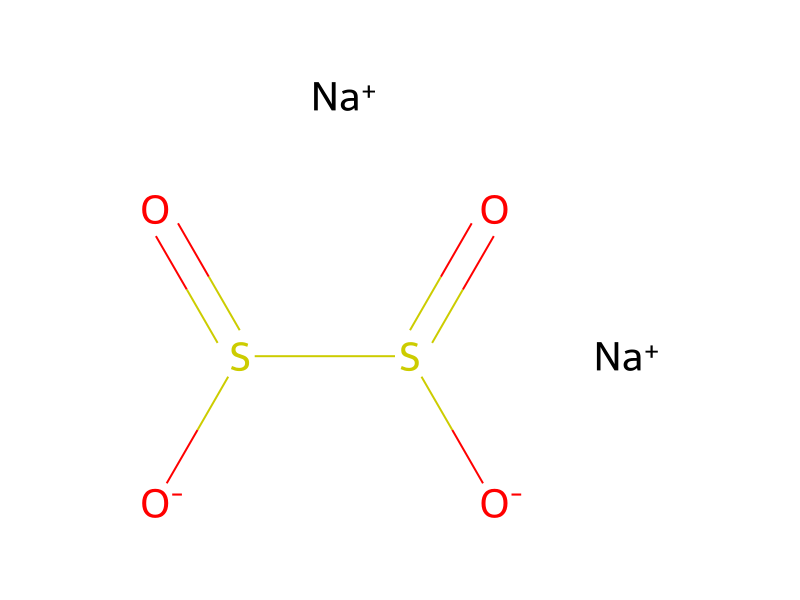
[C:1]1([C:3](=[CH:5][CH:6]=[CH:7][CH:8]=1)[OH:4])[OH:2].C1[CH:18]2[CH:13]([CH2:14]CCC2)[CH2:12]CC1.C(Cl)C(=C)C.C(=O)([O-])[O-].[Na+].[Na+].S(S([O-])=O)([O-])=O.[Na+].[Na+]>C(O)C>[CH2:14]([O:2][C:1]1[CH:8]=[CH:7][CH:6]=[CH:5][C:3]=1[OH:4])[C:13](=[CH2:12])[CH3:18]Participants
7
Reactant 5




Product 1

Reagents, catalysts & solvents 1

Procedure
A further 72.8 g of pyrocatechol, 616 ml of decalin, 264 ml of ethyl alcohol, 135.8 g of methallyl chloride, 116.6 g of sodium carbonate and 1.8 g of sodium hydrosulphite are added to the previously separated lower phase (140 g) which is constituted essentially by 48.2 g of pyrocatechol and the quaternary ammonium salt. The mixture is heated to 80° under stirring in a nitrogen atmosphere for 3 hours, to obtain practically the same results in o.methallyloxyphenol as obtained in the first cycle.
Workup
- custompreviously separated lower phase (140 g) which
- temperatureThe mixture is heated to 80°
- customto obtain practically the
- customsame results in o
Sources & evidence
- ORD record
- ord-305dbdc903094b6d884f7e880c6b5099
- Source dataset
- uspto-grants-1985_09
- Patent number
- US04542229
Reaction notes
Loading…