Pyridine → 4-oxo-10-(2-ethylbutyramido)-4H-pyrimido[1,2-C]quinazoline-3-carboxylic acid
Reaction equation

[O:1]=[C:2]1[N:7]2[CH:8]=[N:9][C:10]3[CH:11]=[CH:12][C:13]([NH:16][C:17](=[O:23])[CH:18]([CH2:21][CH3:22])[CH2:19][CH3:20])=[CH:14][C:15]=3[C:6]2=[N:5][CH:4]=[C:3]1[C:24]([O:26]C)=[O:25].[I-].[Li+].N1C=CC=CC=1>O>[O:1]=[C:2]1[N:7]2[CH:8]=[N:9][C:10]3[CH:11]=[CH:12][C:13]([NH:16][C:17](=[O:23])[CH:18]([CH2:21][CH3:22])[CH2:19][CH3:20])=[CH:14][C:15]=3[C:6]2=[N:5][CH:4]=[C:3]1[C:24]([OH:26])=[O:25]Participants
5
Reactant 3

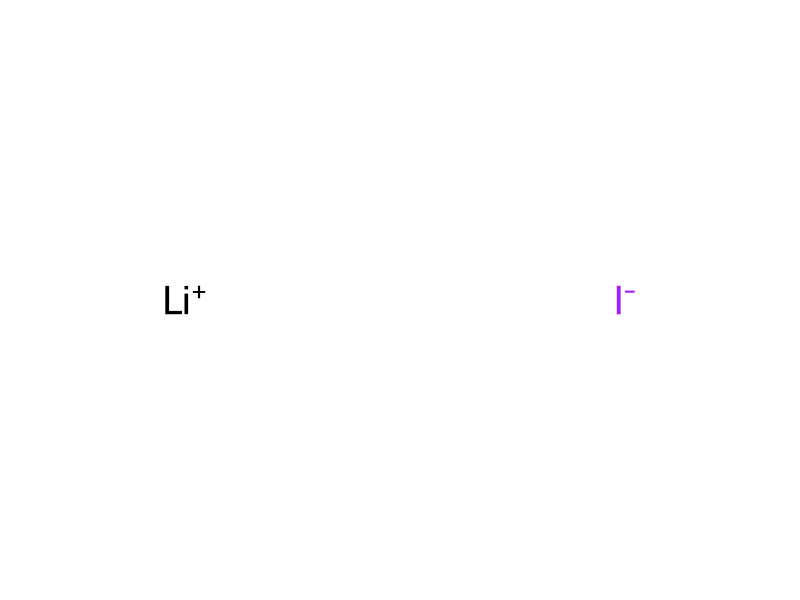

Product 1

Reagents, catalysts & solvents 1

Conditions
- Temperature
- 120 °C
Procedure
A mixture of methyl 4-oxo-10-(2-ethylbutyramido)-4H-pyrmido[1,2-C]quinazoline-3-carboxylate (3.2 g), anhydrous lithium iodide (8.0 g) and dry pyridine (32 ml) was stirred at 120° C. for 1.5 hours. The reaction mixture was concentrated under reduced pressure to give a residue, which was dissolved in water. Insoluble materials were removed by filtration. The aqueous layer was adjusted to pH 1-2 with conc. hydrochloric acid to give crystals, which were separated by filtration and dried. The crude crystals were washed with methanol three times and recrystallized from acetonitrile to give 4-oxo-10-(2-ethylbutyramido)-4H-pyrimido[1,2-C]quinazoline-3-carboxylic acid (0.7 g).
Workup
- concentrationThe reaction mixture was concentrated under reduced pressure
- customto give a residue, which
- customInsoluble materials were removed by filtration
- customto give crystals, which
- customwere separated by filtration
- customdried
- washThe crude crystals were washed with methanol three times
- customrecrystallized from acetonitrile
Sources & evidence
- ORD record
- ord-ec6bc8db607644849617683f7e835ccc
- Source dataset
- uspto-grants-1985_09
- Patent number
- US04543356
Reaction notes
Loading…