Glyoxal → HCID 10902530, compound
Reaction equation

[CH2:1]([PH2:5])[CH:2]([CH3:4])[CH3:3].[CH:6]([CH:8]=[O:9])=[O:7]>O1CCCC1>[CH2:1]([P:5]1[CH:6]([OH:7])[CH:8]([OH:9])[P:5]([CH2:1][CH:2]([CH3:4])[CH3:3])[CH:6]([OH:7])[CH:8]1[OH:9])[CH:2]([CH3:4])[CH3:3]Participants
4
Reactant 2
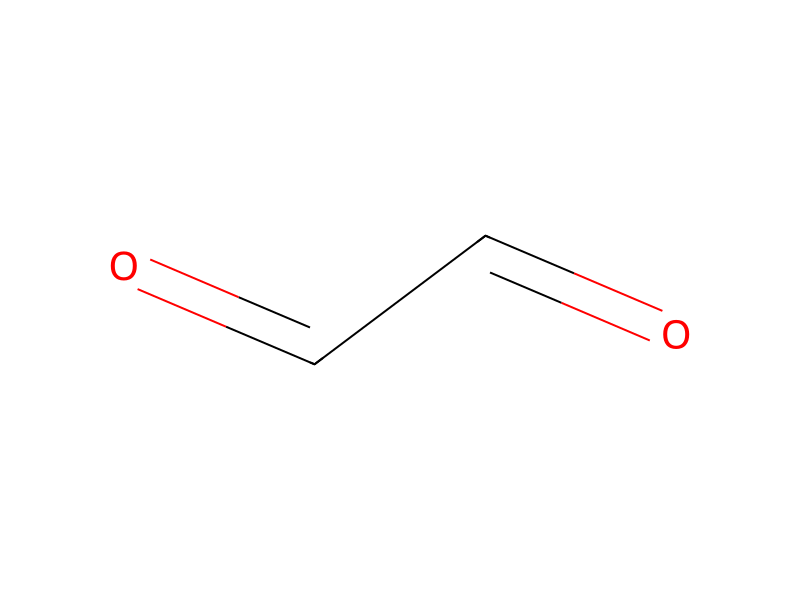

Product 1

Reagents, catalysts & solvents 1

Procedure
In a suitable autoclave, equipped with mechanical stirring and external heating are added 200 parts of mono-isobutylphosphine (85%) and 300 parts of tetrahydrofuran, as solvent. With no external heating applied to the reactor, 275 parts of a 40% aqueous glyoxal solution are added with stirring at 20°-25° C. The resultant solid product is filtered, and dried to give 276 parts (97% yield) of 1,4-diisobutyl-2,3,5,6-tetrahydroxy-1,4-diphosphorinane, m.p. 173°-175° C.
Workup
- customIn a suitable autoclave, equipped
- temperatureexternal heating
- temperatureWith no external heating
- additionare added
- stirringwith stirring at 20°-25° C
- filtrationThe resultant solid product is filtered
- customdried
Sources & evidence
- ORD record
- ord-2bfb2afec72c4c16bfe5205fd159281b
- Source dataset
- uspto-grants-1989_08
- Patent number
- US04855507
Reaction notes
Loading…