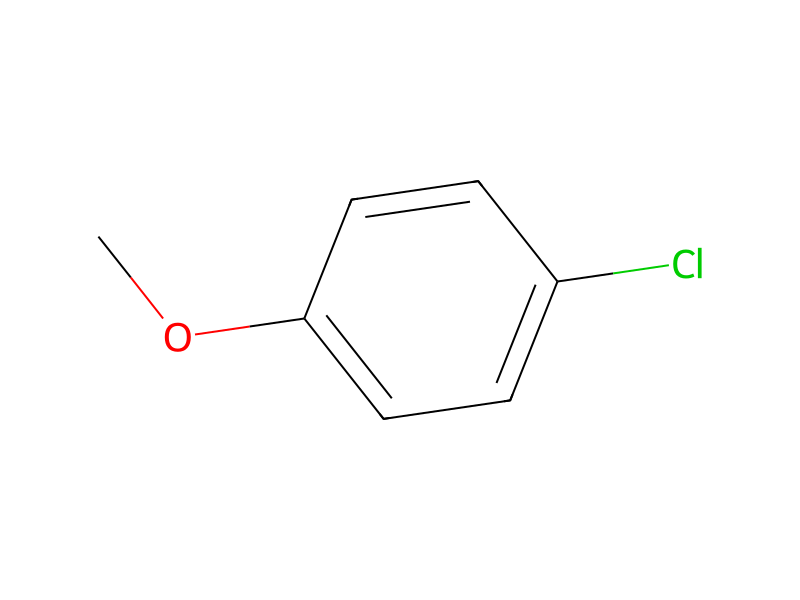
4-Chloroanisole → HCID 69066766, compound
Reaction equation

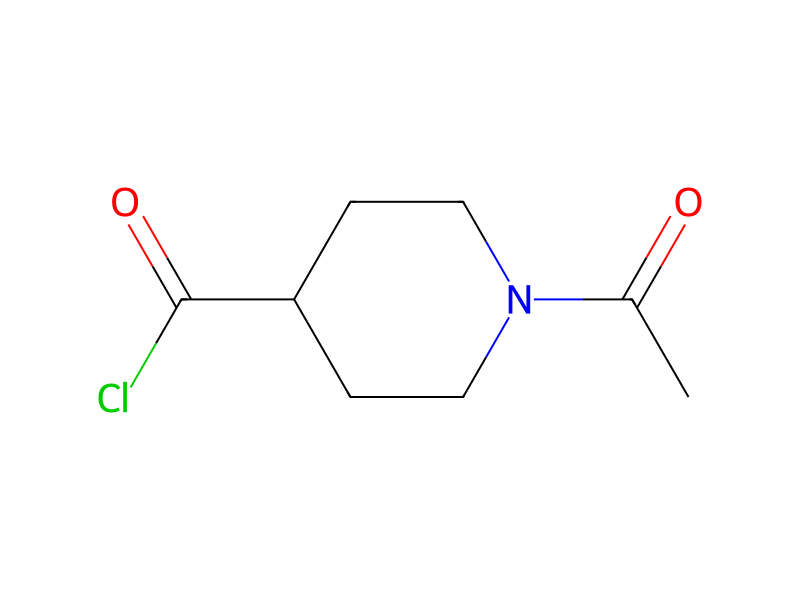
[Cl:1][C:2]1[CH:7]=[CH:6][C:5]([O:8]C)=[CH:4][CH:3]=1.[C:10]([N:13]1[CH2:18][CH2:17][CH:16]([C:19](Cl)=[O:20])[CH2:15][CH2:14]1)(=[O:12])[CH3:11]>>[C:10]([N:13]1[CH2:14][CH2:15][CH:16]([C:19]([C:4]2[CH:3]=[C:2]([Cl:1])[CH:7]=[CH:6][C:5]=2[OH:8])=[O:20])[CH2:17][CH2:18]1)(=[O:12])[CH3:11]Participants
3

Procedure
Preparation took place by reacting 4-chloroanisole with 1-acetylpiperidine-4-carbonyl chloride to give the intermediate (1-acetylpiperidin-4-yl)-(5-chloro-2-hydroxyphenyl)methanone in analogy to Strupczewski et al., J. Med. Chem. 1985, 28, 761-69. Alkylation of the OH function with methyl bromoacetate was followed by cyclization in analogy to Kaltenbronn et al, Eur. J. Med. Chem. 1997, 32 (5), 425-431, to give methyl 3-(1-acetylpiperidin-4-yl)-5-methyl-1-benzofuran-2-carboxylate. Hydrolysis of the ester function, decarboxylation and subsequent hydrolysis of the acetyl group resulted in 4-(5-methyl-1-benzofuran-3-yl)piperidine (see also DE 2537837 for the preparation).
Workup
- customPreparation
Sources & evidence
- ORD record
- ord-1c2b5b56018b4045aa7471e7f80eae71
- Source dataset
- uspto-grants-2009_02
- Patent number
- US07491729B2
Reaction notes
Loading…