Diisobutylamine → 5-Chloro-6-hydroxy-7-propyl-3-trifluoromethyl-1,2-benzisoxazole
Reaction equation

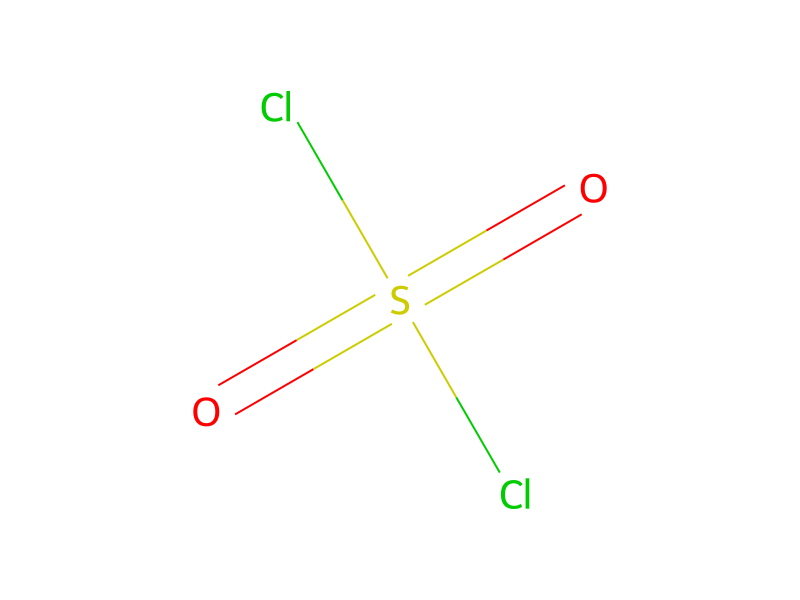
C(NCC(C)C)C(C)C.[OH:10][C:11]1[CH:23]=[CH:22][C:14]2[C:15]([C:18]([F:21])([F:20])[F:19])=[N:16][O:17][C:13]=2[C:12]=1[CH2:24][CH2:25][CH3:26].S(Cl)([Cl:30])(=O)=O.O1C2C=CC=CC=2C=N1.S(=O)(O)[O-].[Na+]>C1(C)C=CC=CC=1.C(OCC)C>[Cl:30][C:23]1[C:11]([OH:10])=[C:12]([CH2:24][CH2:25][CH3:26])[C:13]2[O:17][N:16]=[C:15]([C:18]([F:21])([F:20])[F:19])[C:14]=2[CH:22]=1Participants
Reactant 5




Product 1

Reagents, catalysts & solvents 2


Procedure
Diisobutylamine (0.8 ml, 0.10 eq) and 6-hydroxy-7-propyl-3-trifluoromethylbenzisoxazole (11 gm, 1.0 eq) were dissolved in toluene (275 ml) at room temperature. Slow addition of sulfuryl chloride (4.20 ml, 1.15 eq) results in a suspension which was stirred overnight. Additional diisobutylamine (total 1.6 ml, 0.4 eq) was added in four equal portions over 24 hr until no further starting benzisoxazole was detected by analytical TLC. The reaction mixture was poured into saturated sodium bisulfite (500 ml) and ethyl ether (700 ml). The phases were separated. The ether phase was washed with brine and dried over Na2SO4. The solvent was evaporated in vac. to give an orange solid which was purified by chromatography on silica gel eluting with acetone:hexane (2:98) to give the title compound.
Workup
- customresults in a suspension which
- customThe phases were separated
- washThe ether phase was washed with brine
- dry with materialdried over Na2SO4
- customThe solvent was evaporated in vac
- customto give an orange solid which
- customwas purified by chromatography on silica gel eluting with acetone:hexane (2:98)
Sources & evidence
- ORD record
- ord-2791a680d3124280b2834f94d3321607
- Source dataset
- uspto-grants-2009_02
- Patent number
- US07495020B2
Reaction notes
Loading…