Acetone → 2,6-Diallyl4-benzyloxyphenol
Reaction equation

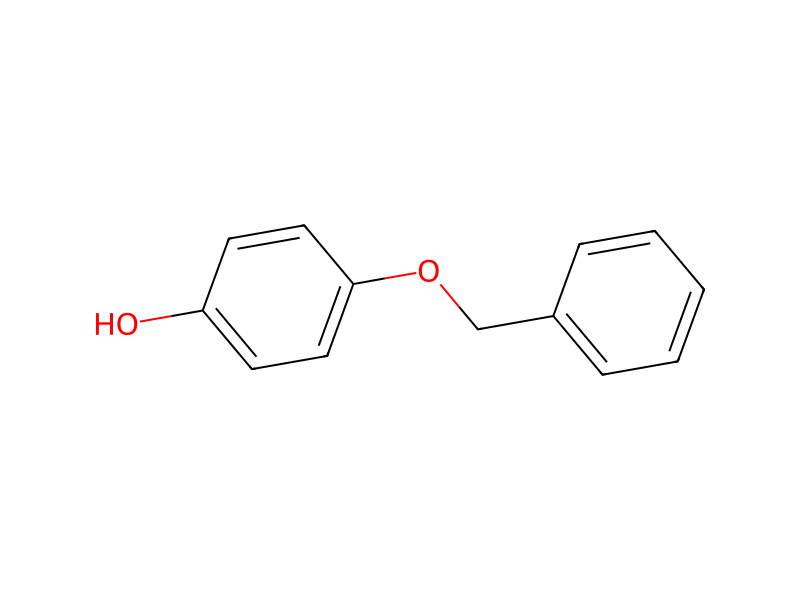
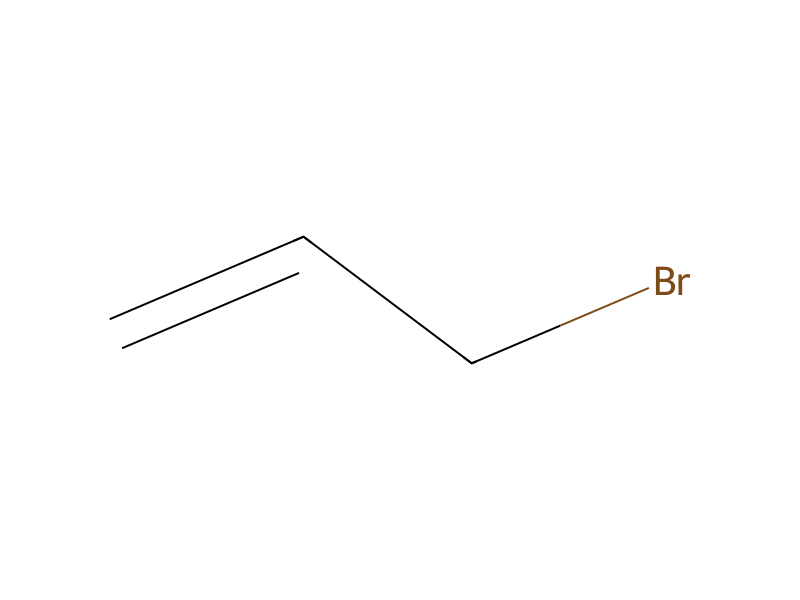
[CH2:1]([O:8][C:9]1[CH:14]=[CH:13][C:12]([OH:15])=[CH:11][CH:10]=1)[C:2]1[CH:7]=[CH:6][CH:5]=[CH:4][CH:3]=1.[CH2:16](Br)[CH:17]=[CH2:18].C([O-])([O-])=O.[K+].[K+].[CH3:26][C:27]([CH3:29])=O>>[CH2:16]([C:11]1[CH:10]=[C:9]([O:8][CH2:1][C:2]2[CH:3]=[CH:4][CH:5]=[CH:6][CH:7]=2)[CH:14]=[C:13]([CH2:29][CH:27]=[CH2:26])[C:12]=1[OH:15])[CH:17]=[CH2:18]Participants
5



Procedure
To a solution of starting 4-benzyloxyphenol (20 g) in acetone (800 mL) were added allylbromide (50 mL) and K2CO3 (60 g). The reaction mixture was refluxed overnight. After cooling to the room temperature, the insoluble materials were removed by filtration. The filtrate was concentrated in vac. The residue was partitioned between ethyl ether (500 mL) and 2N aqueous NaOH (200 mL). The organic layer was washed with water and brine, dried over anhydrous MgSO4, filtered, and concentrated in vac. to give the desired product.
Workup
- temperatureThe reaction mixture was refluxed overnight
- customthe insoluble materials were removed by filtration
- concentrationThe filtrate was concentrated in vac
- customThe residue was partitioned between ethyl ether (500 mL) and 2N aqueous NaOH (200 mL)
- washThe organic layer was washed with water and brine
- dry with materialdried over anhydrous MgSO4
- filtrationfiltered
- concentrationconcentrated in vac
Sources & evidence
- ORD record
- ord-7db7d11367db4196b7ba4f3b41e230f5
- Source dataset
- uspto-grants-2009_02
- Patent number
- US07495020B2
Reaction notes
Loading…