Sulfuric Acid → Hydrochloric Acid
Reaction equation

OC[N:3]1C(=O)C2=CC=CC=C2C1=O.C([O:17][C:18](=[O:20])[CH3:19])(=O)C.[CH2:21]=[CH:22][C:23]1C=CC=CC=1.C(C1C=CC=CC=1C=C)=C.S(=O)(=O)(O)O.[Cl:44]C(Cl)C>>[NH2:3][C@H:19]([C:18]([OH:17])=[O:20])[CH:22]([CH3:23])[CH3:21].[ClH:44]Participants






Procedure
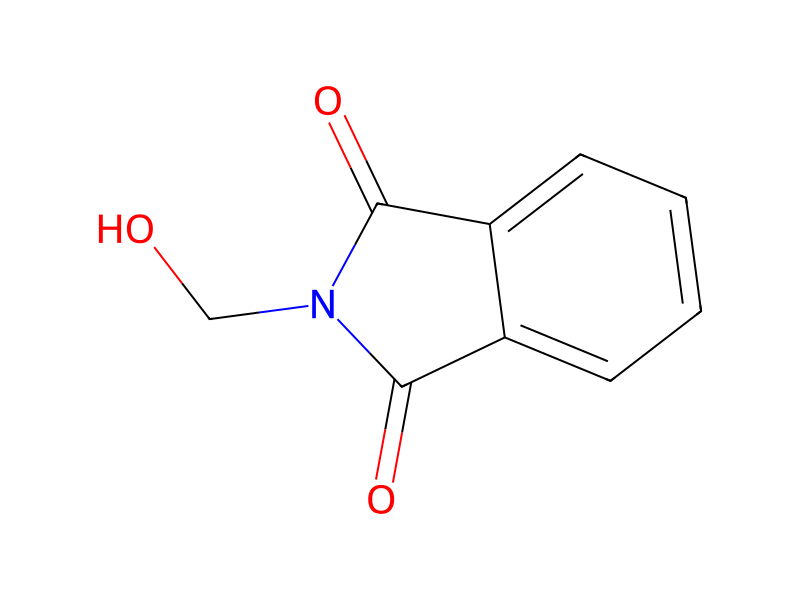
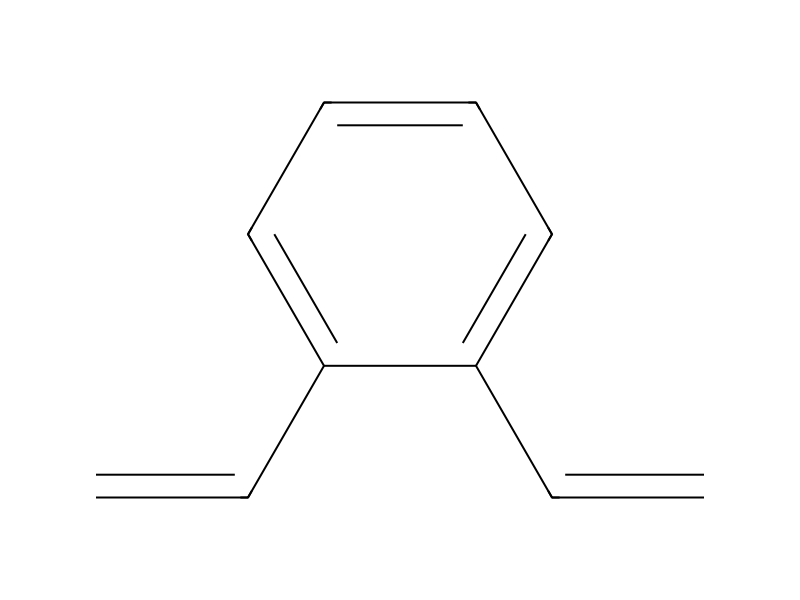
700 g of N-hydroxymethyl phthalimide, dissolved in 2400 g of dichlorethane, are heated for 5 hours to reflux temperatures with 454 g of acetic acid anhydride. 300 g of a styrene polymer crosslinked with 6 % of divinyl benzene are swollen in this ester solution over a period of 30 minutes at 60° C. 400 g of concentrated sulphuric acid are then added dropwise over a period of 4 hours at reflux temperature. After stirring for 20 hours at the same temperature, the polymer is filtered off under suction and suspended in 2000 ml of 10 % aqueous ammonia solution. The residues of swelling agent are removed from the suspension by azeotropic distillation. The polymer is then heated for 10 hours to 180° C with 40 % sodium hydroxide solution in an autoclave. After the sodium hydroxide has been washed out, 750 ml of a weakly basic anion exchanger are obtained with an acid binding capacity of 3.3 Val/1 for N/10 hydrochloric acid and a nitrogen content of 9.55 % in the dry material.
Workup
- temperatureare heated for 5 hours
- temperatureat reflux temperature
- filtrationthe polymer is filtered off under suction
- customare removed from the suspension by azeotropic distillation
- temperatureThe polymer is then heated for 10 hours to 180° C with 40 % sodium hydroxide solution in an autoclave
- washAfter the sodium hydroxide has been washed out
Sources & evidence
- ORD record
- ord-e4825bbebfda48d08a319d57647e4ce6
- Source dataset
- uspto-grants-1976_11
- Patent number
- US03989650
Reaction notes
Loading…