Isobutanol → Butanal
Reaction equation

[CH2:1]=CC.[CH2:4]([OH:8])[CH:5]([CH3:7])[CH3:6]>C(O)CCC>[CH:4](=[O:8])[CH2:5][CH2:6][CH3:1].[CH2:4]([OH:8])[CH:5]([CH3:7])[CH3:6]Participants
5
Reactant 2

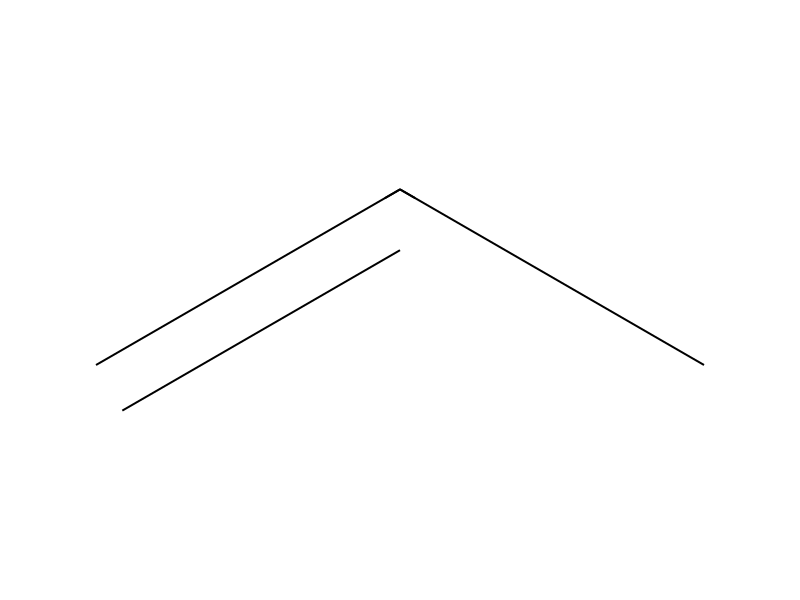
Product 2
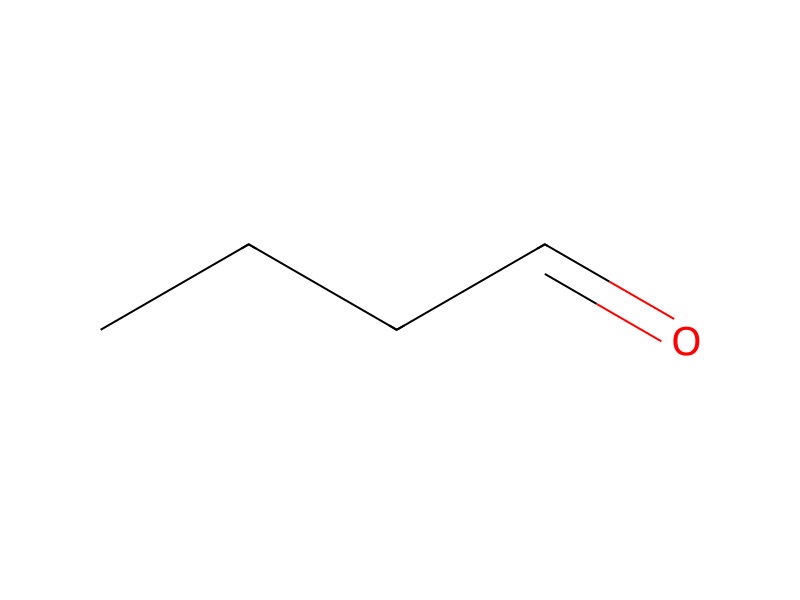
Reagents, catalysts & solvents 1

Procedure
Three more runs were made with the same catalyst in the presence of alkylamines. Details of these runs are tabulated in Table I and II. Triethyl- and tributylamine were used in these reactions. The level of catalytic activity based on the apparent conversion of propylene was maintained well through these runs, and showed an increase in catalytic activity in the presence of amines. In the last run, 20 g. of propylene was reacted in 50% conversion to yield 30.9% isobutanol, 56.6% n-butanal, 1.6% isobutanol, 3.8% n-butanol and 7.2% unknown products.
Workup
- temperaturewas maintained well through these runs
Sources & evidence
- ORD record
- ord-d85ada35c2ff48bb8459fead9f8ec0a6
- Source dataset
- uspto-grants-1976_11
- Patent number
- US03989759
Reaction notes
Loading…