Methane → 4-(4-Phenoxybutoxy)benzene-1,2-diamine
Reaction equation

[OH-].[Na+].[N+:3]([C:6]1[CH:12]=[C:11]([O:13][CH2:14][CH2:15][CH2:16][CH2:17][O:18][C:19]2[CH:24]=[CH:23][CH:22]=[CH:21][CH:20]=2)[CH:10]=[CH:9][C:7]=1[NH2:8])([O-])=O.C.[H][H]>CO>[NH2:8][C:7]1[CH:9]=[CH:10][C:11]([O:13][CH2:14][CH2:15][CH2:16][CH2:17][O:18][C:19]2[CH:20]=[CH:21][CH:22]=[CH:23][CH:24]=2)=[CH:12][C:6]=1[NH2:3]Participants
6
Reactant 4
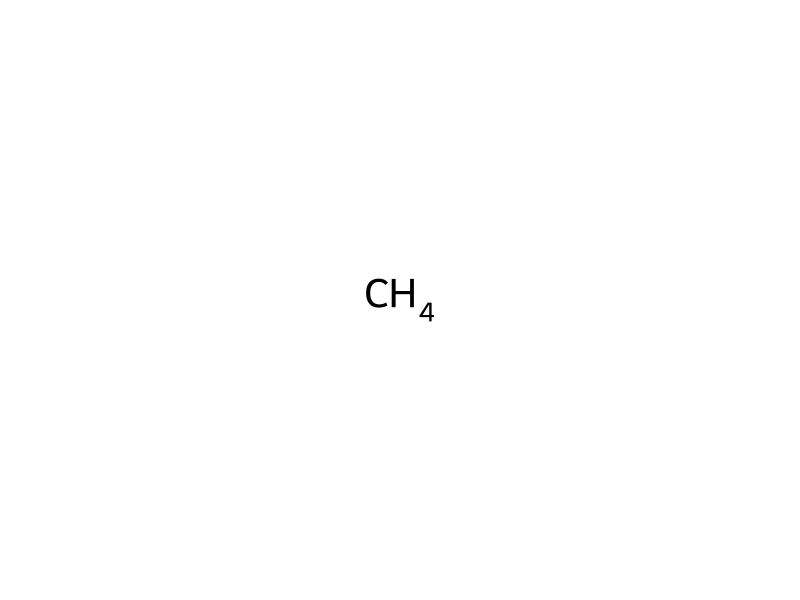



Product 1

Reagents, catalysts & solvents 1

Procedure
The procedure of the first paragraph of Example 26 is repeated substituting 4-phenxoybutyl bromide for the 3-phenoxypropyl bromide to afford 2-nitro-4-(4-phenoxybutoxy)acetanilide. After treatment at 20°-25° with methanolic-5N aqueous sodium hydroxide, 1.2 g. of the resultant 2-nitro-4-(4-phenoxybutoxy)aniline in a mixture of 20 ml. of methanol and 0.3 g. of 5% palladized charcoal is hydrogenated under ambient conditions. When the theoretical amount of hydrogen has been taken up, the mixture is filtered and the filtrate stripped to afford 1,2-diamino-4-(4-phenoxybutoxy)benzene as a gum.
Workup
- customat 20°-25°
- filtrationthe mixture is filtered
Sources & evidence
- ORD record
- ord-740ef9ed4c9f4330ba293bfb3f5d24bc
- Source dataset
- uspto-grants-1976_11
- Patent number
- US03993768
Reaction notes
Loading…