Ethanol → Ethyl N-phenylcarbamate
Reaction equation

[NH2:1][C:2]1[CH:7]=[CH:6][CH:5]=[CH:4][CH:3]=1.[N+]([C:11]1[CH:16]=CC=CC=1)([O-])=O.IC(I)(I)I.[OH-:22].[Rb+].[C]=O.[CH2:26]([OH:28])C>[Pd](Cl)Cl>[C:2]1([NH:1][C:26](=[O:28])[O:22][CH2:16][CH3:11])[CH:7]=[CH:6][CH:5]=[CH:4][CH:3]=1Participants
8







Procedure
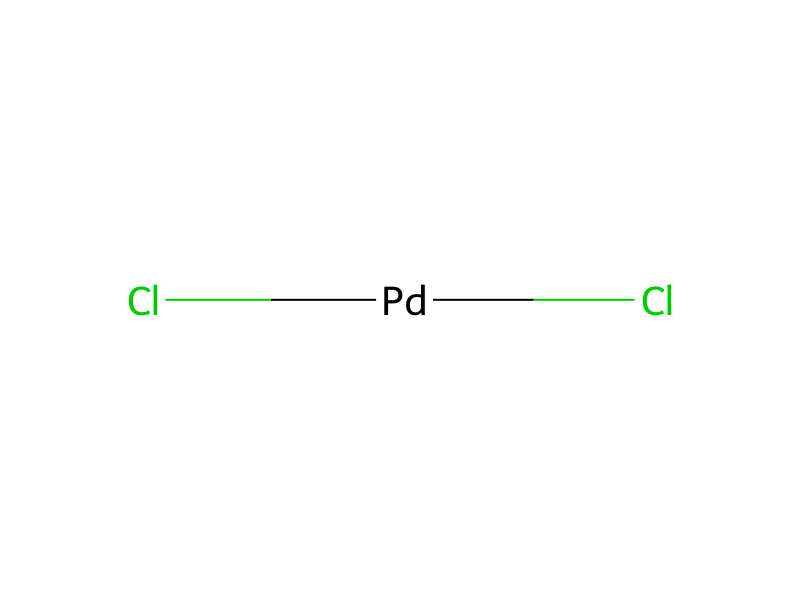
In a 200 ml stirring type autoclave were charged 30 mmols of aniline, 15 mmols of nitrobenzene, 50 ml of ethanol, 3 mmols of palladium chloride, 3 mmols of tetraiodomethane and 3 mmols of rubidium hydroxide. After the air inside the autoclave had been replaced with carbon monoxide, carbon monoxide was pressurized into the autoclave to 120 Kg/cm2, and the reaction was carried out at 180° C. for 5 hours with stirring. As the result of analysis of the reaction solution, the conversions of aniline and nitrobenzene were 21% and 29%, respectively, and 8 mmols of ethyl N-phenylcarbamate were obtained.
Workup
- stirringwith stirring
- customAs the result of analysis of the reaction solution
Sources & evidence
- ORD record
- ord-fa798d41ff08449c9a5db5ad96fd995c
- Source dataset
- uspto-grants-1986_11
- Patent number
- US04621149
Reaction notes
Loading…