Phosphate → Phosphate
Reaction equation

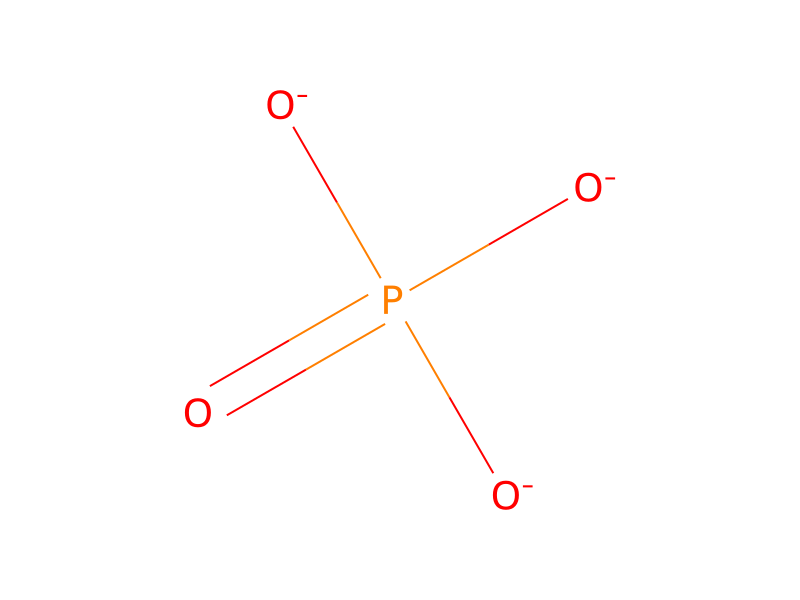
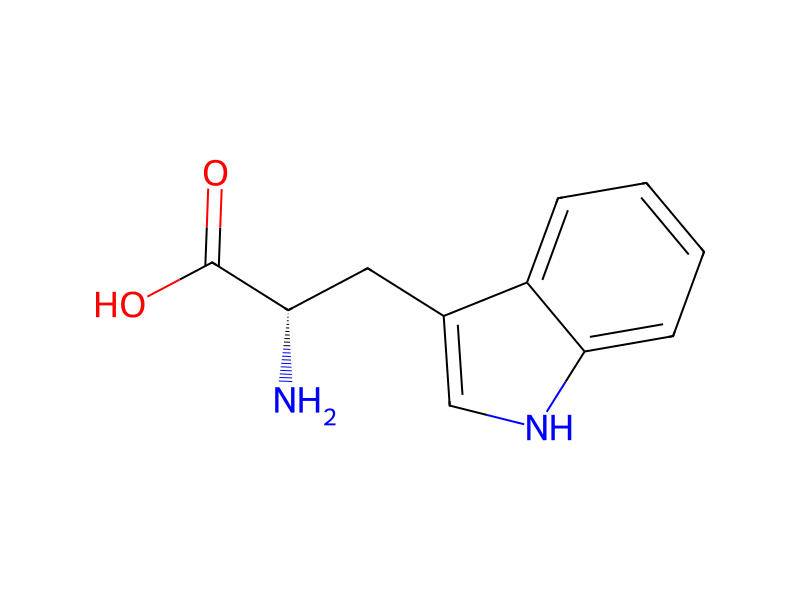
[CH3:1][O:2][C:3](=[O:16])[CH:4]([CH2:6][C:7]1[C:15]2[C:10](=[CH:11][CH:12]=[CH:13][CH:14]=2)[NH:9][CH:8]=1)[NH2:5].N[C@H](C(O)=O)CC1C2C(=CC=CC=2)NC=1.[P:32]([O-:36])([O-:35])([O-:34])=[O:33]>>[CH3:1][O:2][C:3](=[O:16])[C@@H:4]([CH2:6][C:7]1[C:15]2[C:10](=[CH:11][CH:12]=[CH:13][CH:14]=2)[NH:9][CH:8]=1)[NH2:5].[P:32]([O-:36])([O-:35])([O-:34])=[O:33]Participants
5


Procedure
A DL-Tryptophane methyl ester (10 mM) in 0.02 M phosphate buffer, pH 7.5, was pressed through a column of chymotrypsinsephadex particles. The permeate contained a mixture of L-tryptophane (5 mM) obtained by stereo-specific enzymatic hydrolysis, and D-tryptophane methyl ester (5 mM) and 20 mM phosphate buffer, pH 7.0. This mixture was separated in an electrodialysis cell as described in Example 1. Electric current of 5 mA/cm2 was applied through the electrodialysis cell in which the feed solution was circulated with a linear flow velocity of about 5 cm/sec. At the end of the experiment, the acid in the feed compartment was tested for chemical and optical purity. It was found to be 98.5% pure L-tryptophane.
Sources & evidence
- ORD record
- ord-59766a1aa2fa4c1b81d4a59f4f3e2b37
- Source dataset
- uspto-grants-1980_12
- Patent number
- US04238307
Reaction notes
Loading…