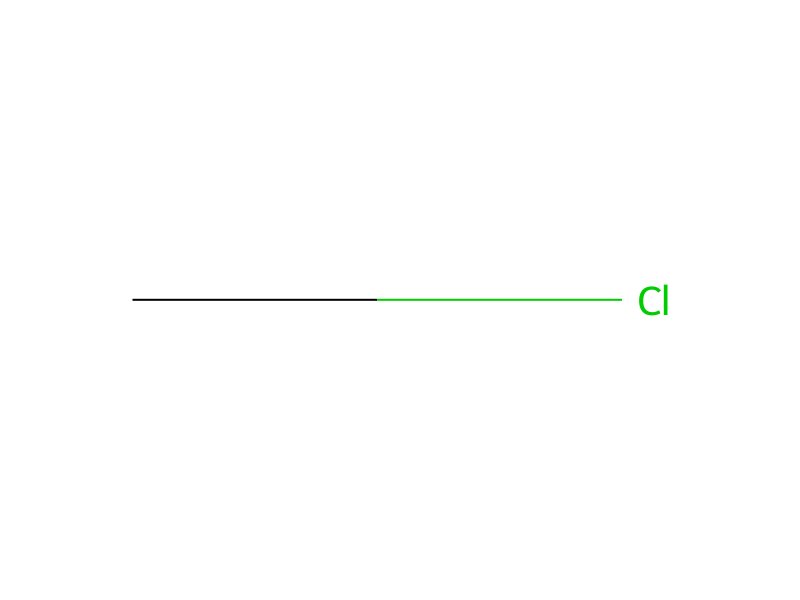
Methyl Chloride → UM-424
Reaction equation

[CH:1]([N:4]([CH2:6][CH:7]([OH:22])[CH2:8][O:9][C:10]1[CH:15]=[CH:14][CH:13]=[CH:12][C:11]=1[C:16]1[CH:21]=[CH:20][CH:19]=[CH:18][CH:17]=1)[CH3:5])([CH3:3])[CH3:2].[CH3:23][Cl:24]>CC(C)=O>[Cl-:24].[C:16]1([C:11]2[CH:12]=[CH:13][CH:14]=[CH:15][C:10]=2[O:9][CH2:8][CH:7]([OH:22])[CH2:6][N+:4]([CH:1]([CH3:3])[CH3:2])([CH3:23])[CH3:5])[CH:21]=[CH:20][CH:19]=[CH:18][CH:17]=1Participants
Reactant 2

Product 1

Reagents, catalysts & solvents 1

Procedure
To a solution of 10.0 g (0.033 moles) of 1-(N-isopropyl-N-methylamino)-3-(2-phenylphenoxy)propan-2ol and 30 ml of acetone, placed in a pressure container cooled in a Dry Ice-acetone bath is added 30 ml of methyl chloride. The container is sealed and mixture stirred at room temperature for about 8 days, after which time the mixture is again cooled in a Dry Ice-acetone bath. The container is opened slowly to permit reduction of any excess pressure and the solvent and excess methyl chloride is removed by evaporation under reduced pressure. The material remaining is dissolved in 30 ml of absolute ethanol, which then is evaporated under reduced pressure. The latter procedure is repeated and the residue is crystallized from anhydrous acetone to afford [3-(2-phenylphenoxy)-2-hydroxypropyl]isopropyldimethylammonium chloride melting at about 124°-127° C. and represented structurally by the following formula ##STR7##
Workup
- temperaturecooled in a Dry Ice-acetone bath
- customThe container is sealed
- temperatureafter which time the mixture is again cooled in a Dry Ice-acetone bath
- customthe solvent and excess methyl chloride is removed by evaporation under reduced pressure
- dissolutionThe material remaining is dissolved in 30 ml of absolute ethanol
- customwhich then is evaporated under reduced pressure
- customthe residue is crystallized from anhydrous acetone
Sources & evidence
- ORD record
- ord-c9061d94b40741a3aff1e48c9f0ff787
- Source dataset
- uspto-grants-1980_12
- Patent number
- US04241088
Reaction notes
Loading…