Ethyl Acrylate → ethyl 3-[3-(1,2,3,4-tetrahydronaphthalen-2-yl)-2-thioxo-2,3-dihydro-1H-imidazol-1-yl]propionate
Reaction equation

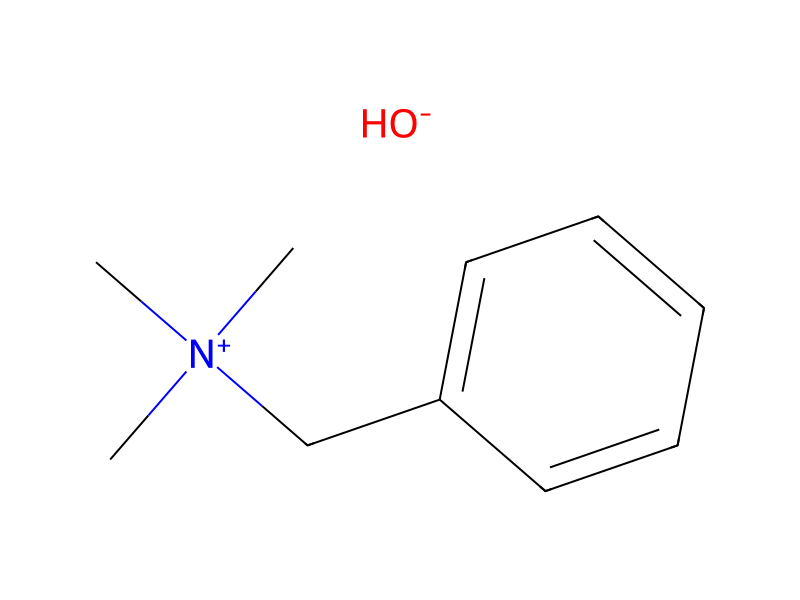
[CH2:1]1[C:10]2[C:5](=[CH:6][CH:7]=[CH:8][CH:9]=2)[CH2:4][CH2:3][CH:2]1[N:11]1[CH:15]=[CH:14][NH:13][C:12]1=[S:16].[C:17]([O:21][CH2:22][CH3:23])(=[O:20])[CH:18]=[CH2:19].[OH-].C([N+](C)(C)C)C1C=CC=CC=1>C(O)C.CO>[CH2:1]1[C:10]2[C:5](=[CH:6][CH:7]=[CH:8][CH:9]=2)[CH2:4][CH2:3][CH:2]1[N:11]1[CH:15]=[CH:14][N:13]([CH2:19][CH2:18][C:17]([O:21][CH2:22][CH3:23])=[O:20])[C:12]1=[S:16]Participants
6
Reactant 3


Product 1

Reagents, catalysts & solvents 2


Conditions
- Temperature
- 80 °C
Procedure
A mixture of 1-(1,2,3,4-tetrahydronaphthalen-2-yl)-1,3-dihydroimidazole-2-thione (1.3 g, 5.6 mmol), prepared as in Example 9, and ethyl acrylate (3.1 mL, 28.2 mmol) in 14 mL of ethanol and 1.28 mL of N-benzyltrimethylammonium hydroxide (2.8 mmol) in methanol was heated at 80° C. under nitrogen for 2 hours. The mixture was allowed to cool and concentrated by rotoevaporation. The residue was purified by chromatography on silica gel eluting with hexanes/ethyl acetate (3:1) to give ethyl 3-[3-(1,2,3,4-tetrahydronaphthalen-2-yl)-2-thioxo-2,3-dihydro-1H-imidazol-1-yl]propionate (1.2 g, 3.7 mmol), m.p. 71°-73° C.
Workup
- temperatureto cool
- concentrationconcentrated by rotoevaporation
- customThe residue was purified by chromatography on silica gel eluting with hexanes/ethyl acetate (3:1)
Sources & evidence
- ORD record
- ord-07d858283fea4b819bdde6fe1fdae75b
- Source dataset
- uspto-grants-1996_07
- Patent number
- US05538988
Reaction notes
Loading…