Water → 1-(4-Bromophenyl)-2-phenylethane-1,2-dione
Reaction equation

Cl(O)(=O)(=O)=O.[OH2:6].O.O.O.[N+]([O-])([O-])=O.[Tl+3].[N+]([O-])([O-])=O.[N+]([O-])([O-])=O.[Br:23][C:24]1[CH:29]=[CH:28][C:27]([C:30]([CH2:32][C:33]2[CH:38]=[CH:37][CH:36]=[CH:35][CH:34]=2)=[O:31])=[CH:26][CH:25]=1>C(Cl)Cl.COCCOC>[Br:23][C:24]1[CH:25]=[CH:26][C:27]([C:30]([C:32]([C:33]2[CH:34]=[CH:35][CH:36]=[CH:37][CH:38]=2)=[O:6])=[O:31])=[CH:28][CH:29]=1Participants
7
Reactant 4

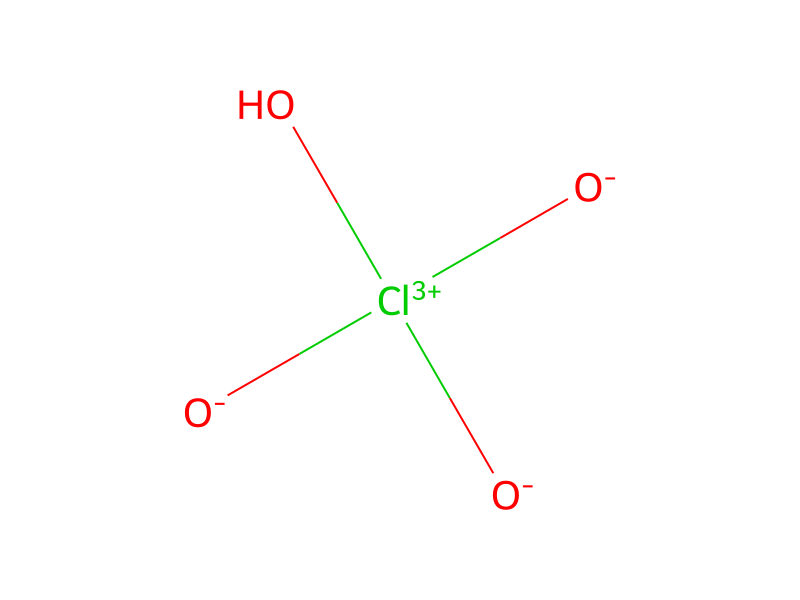


Product 1

Reagents, catalysts & solvents 2


Procedure
Perchloric acid (250 mL), water (250 mL), ethylene glycol dimethyl ether (glyme) (500 mL), thallium (III) nitrate trihydrate (222.0 g, 0.5 mol) and 4-bromodeoxybenzoin (68.75 g, 0.25 mol) are charged to a 2-liter round bottom 3-necked flask equipped with a reflux condenser and a mechanical stirrer. The reaction mixture is heated under nitrogen to reflux for 6 hours. After cooling to ambient temperature, methylene chloride (500 mL) is added. The resulting bilayer is decanted off the precipitated Tl(I) salts formed. The layers are separated and the organic layer is washed with water, saturated aqueous NaHCO3 and brine, followed by recrystallization of the resulting solid from 2-propanol gives the title compound.
Workup
- customequipped with a reflux condenser and a mechanical stirrer
- temperatureThe reaction mixture is heated under nitrogen
- temperatureto reflux for 6 hours
- customThe resulting bilayer is decanted off the precipitated Tl(I) salts
- customformed
- customThe layers are separated
- washthe organic layer is washed with water, saturated aqueous NaHCO3 and brine
- customfollowed by recrystallization of the resulting solid from 2-propanol
Sources & evidence
- ORD record
- ord-9b2b6c6b468d45d1aa0fee130f2bb599
- Source dataset
- uspto-grants-1999_10
- Patent number
- US05965679
Reaction notes
Loading…