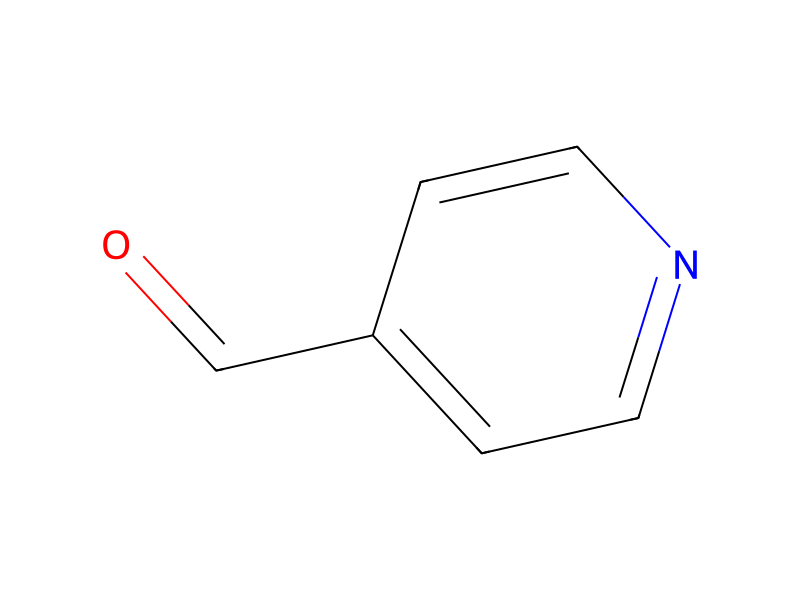
4-Pyridinecarboxaldehyde → 198827-27-9
Reaction equation

[NH2:1][C:2]1[CH2:7][C:6]([CH3:9])([CH3:8])[CH2:5][C:4](=[O:10])[CH:3]=1.[N:11]1[CH:16]=[CH:15][C:14]([CH:17]=O)=[CH:13][CH:12]=1>>[CH3:8][C:6]1([CH3:9])[CH2:7][C:2]2[NH:1][C:2]3[CH2:7][C:6]([CH3:9])([CH3:8])[CH2:5][C:4](=[O:10])[C:3]=3[CH:17]([C:14]3[CH:13]=[CH:12][N:11]=[CH:16][CH:15]=3)[C:3]=2[C:4](=[O:10])[CH2:5]1Participants
3


Procedure
3-Amino-5,5-dimethyl-2-cyclohexen-1-one was reacted with pyridine-4-carboxaldehyde in an analogous manner to that described in Example 1 to give 3,4,6,7,9,10-hexahydro-3,3,6,6-tetramethyl-9-(4-pyridyl)-1,8(2H,5H)-acridinedione. Crystallization from dimethylformamide/water gave a pale yellow crystalline solid of melting point 218-219° C. (decomposition).
Sources & evidence
- ORD record
- ord-0a5c46d07e144764809c913e69785e59
- Source dataset
- uspto-grants-1999_10
- Patent number
- US05969139
Reaction notes
Loading…