Water → HCID 22117851, compound
Reaction equation

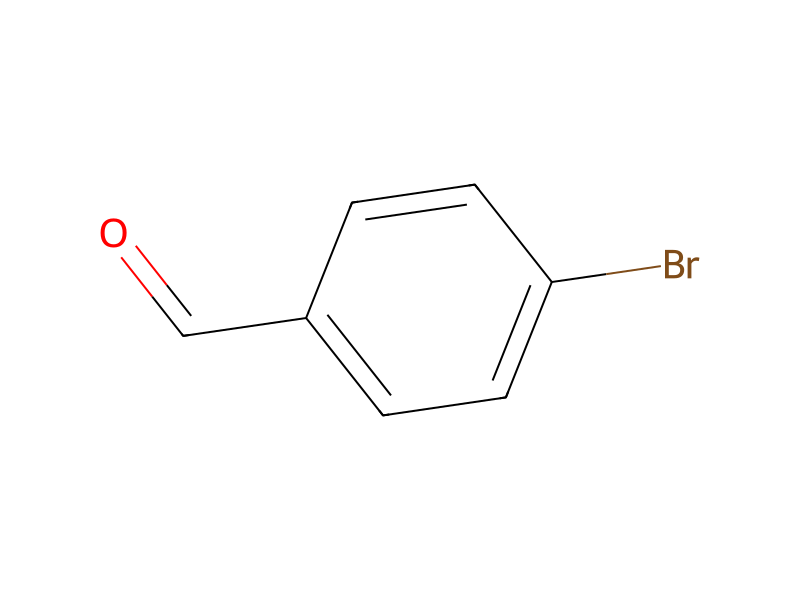
[NH2:1][C:2]1[CH2:7][C:6]([CH3:9])([CH3:8])[CH2:5][C:4](=[O:10])[CH:3]=1.[CH3:11][CH:12]1[CH2:17][C:16](=[O:18])[CH2:15][C:14](=O)[CH2:13]1.[Br:20][C:21]1[CH:28]=[CH:27][C:24]([CH:25]=O)=[CH:23][CH:22]=1.O>C(O)C.C(O)(=O)C>[Br:20][C:21]1[CH:28]=[CH:27][C:24]([CH:25]2[C:3]3[C:4](=[O:10])[CH2:5][C:6]([CH3:9])([CH3:8])[CH2:7][C:2]=3[NH:1][C:14]3[CH2:13][CH:12]([CH3:11])[CH2:17][C:16](=[O:18])[C:15]2=3)=[CH:23][CH:22]=1Participants
7





Procedure
A solution of 1.39 g of 3-amino-5,5-dimethyl-2-cyclohexen-1-one, 1.26 g of 5-methyl-cyclohexane-1,3-dione and 1.51 g of 4-bromobenzaldehyde in 18 ml of absolute ethanol and 6 ml of glacial acetic acid was heated under reflux under a nitrogen atmosphere for 12 hours. The mixture was then cooled to room temperature and about 10 ml of water was added until the product precipitated. The product was filtered off and washed with three 50 ml portions of cold diethyl ether to give 9-(4-bromophenyl)-3,4,6,7,9,10-hexahydro-3,3,6(RS)-trimethyl-1,8(2H,5H)-acridinedione as a pale yellow solid. The product was shown to be a 9:1 mixture of diastereoisomers by HPLC and gave a mass ion of 414 (FAB, [M+H]+).
Workup
- temperatureunder reflux under a nitrogen atmosphere for 12 hours
- customprecipitated
- filtrationThe product was filtered off
- washwashed with three 50 ml portions of cold diethyl ether
Sources & evidence
- ORD record
- ord-a5999bc42d0f4691b78d0dba153c3a2f
- Source dataset
- uspto-grants-1999_10
- Patent number
- US05969139
Reaction notes
Loading…