Androsta-4,16-dien-3-one → Androsta-4,16-dien-3alpha-ol
Reaction equation

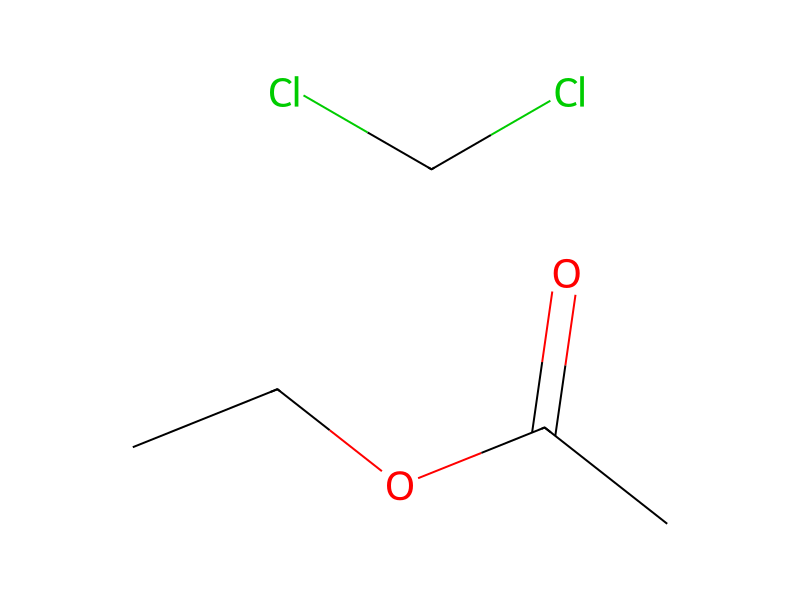
[CH3:1][C@:2]12[CH2:19][CH2:18][C@H:17]3[C@@H:7]([CH2:8][CH2:9][C:10]4[C@:15]3([CH3:16])[CH2:14][CH2:13][C:12](=[O:20])[CH:11]=4)[C@@H:6]1[CH2:5][CH:4]=[CH:3]2.C(Cl)Cl.C(OCC)(=O)C>C1COCC1>[CH3:1][C@:2]12[CH2:19][CH2:18][C@H:17]3[C@@H:7]([CH2:8][CH2:9][C:10]4[C@:15]3([CH3:16])[CH2:14][CH2:13][C@@H:12]([OH:20])[CH:11]=4)[C@@H:6]1[CH2:5][CH:4]=[CH:3]2Participants
4
Reactant 2

Product 1

Reagents, catalysts & solvents 1

Procedure
These syntheses are depicted in FIG. 1. Androsta-4,16-dien-3-one (4) was reduced at -55° with lithium tris (1, 2-dimethylpropyl) hydridoborate in THF (c) as described for the preparation of 2 (FIG. 1). Chromatography on silica gel with CH2Cl2 /ethyl acetate 9:1 gave pure axial alcohol 5 (48% yield) and pure equatorial alcohol 6 (48% yield). Analytical samples were further purified by recrystallization (from PE at -30° for 5, from cyclohexane at RT. for 6).
Workup
- customas described for the preparation of 2 (FIG. 1)
Sources & evidence
- ORD record
- ord-dfd53cda48594829ac907543346e007f
- Source dataset
- uspto-grants-1999_10
- Patent number
- US05969168
Reaction notes
Loading…