Propylene Glycol → HCID 86754656, compound
Reaction equation

[CH2:1]([OH:5])[CH:2]([OH:4])[CH3:3].[C:6]([OH:13])(=[O:12])/[CH:7]=[CH:8]/[C:9]([OH:11])=[O:10].C1(O)C(=CC(=CC=1)O)C.C(O)C(O)C.C(O)(=O)/C=C/C(O)=O.[OH-].[K+]>>[CH2:1]([OH:5])[CH:2]([OH:4])[CH3:3].[C:6]([O-:13])(=[O:12])/[CH:7]=[CH:8]/[C:9]([O-:11])=[O:10]Participants




Conditions
- Temperature
- 193 °C
Procedure
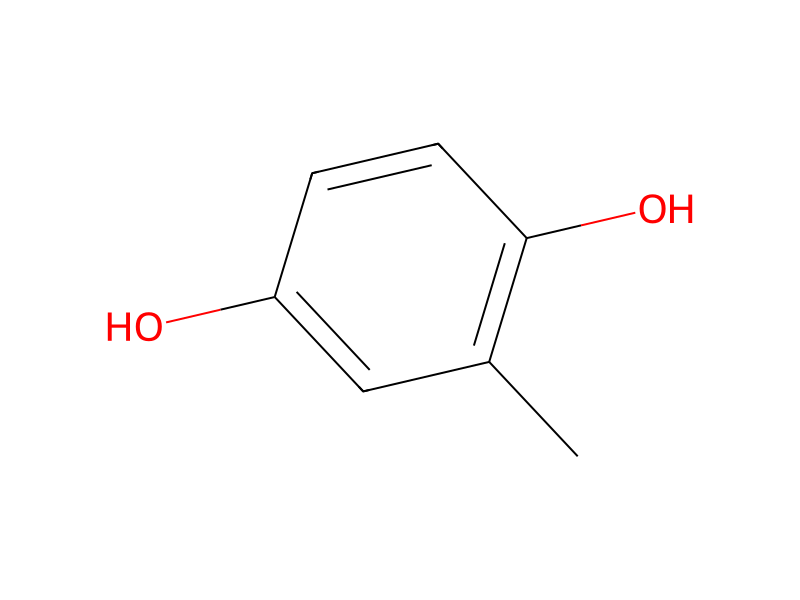
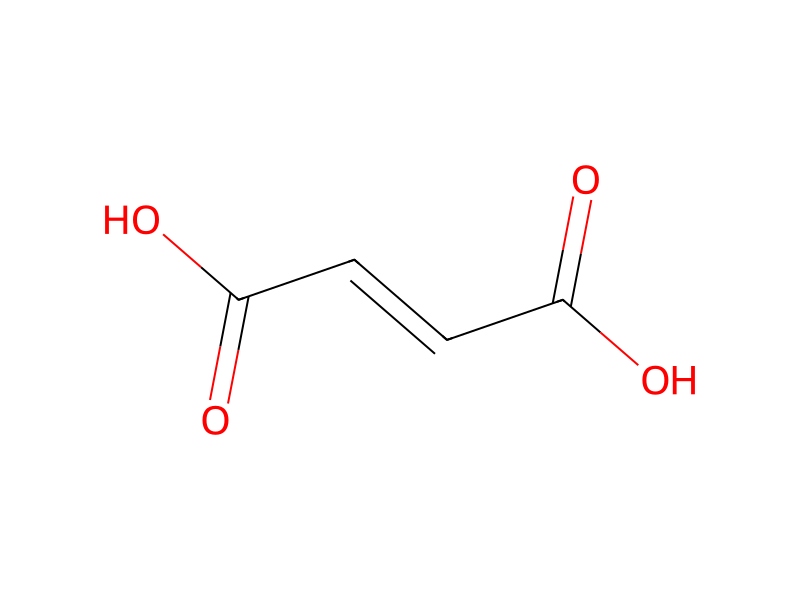
A conventional ten-gallon stainless steel reactor was charged with 17.02 kg of propylene glycol (available from Ashland Chemical Company of Columbus, Ohio) and 12.98 kg of fumaric acid (available from Huntsman Specialty Chemical of Salt Lake City, Utah). For stability, 3.62 g (120 ppm) of toluhydroquinone (THQ) (available from Aldrich Chemical Company of Milwaukee, Wis.) was added into the reactor. The molar ratio of the charge was 2:1 propylene glycol (PG) to fumaric acid (FA). The mixture was heated under a nitrogen atmosphere at 380° F. (193° C.) for five hours. The endpoint of the reaction was determined by the viscosity of the PG-FA product, which was 360 to 450 cps at 120° F. (49° C.) as determined by a cone-and-plate viscometer, such as that made by ICI of Wilmington, Del. The acid value at the reaction endpoint is typically observed to be 10 to 36 Meq KOH/g of alkyd (milliequivalent of potassium hydroxide per gram of alkyd). This material may be used directly as a film former.
Workup
- customat 120° F.
- custom(49° C.)
Sources & evidence
- ORD record
- ord-57d039043a954c32ae685b575e660719
- Source dataset
- uspto-grants-1999_10
- Patent number
- US05972503
Reaction notes
Loading…