Ammonia → Ammonium
Reaction equation

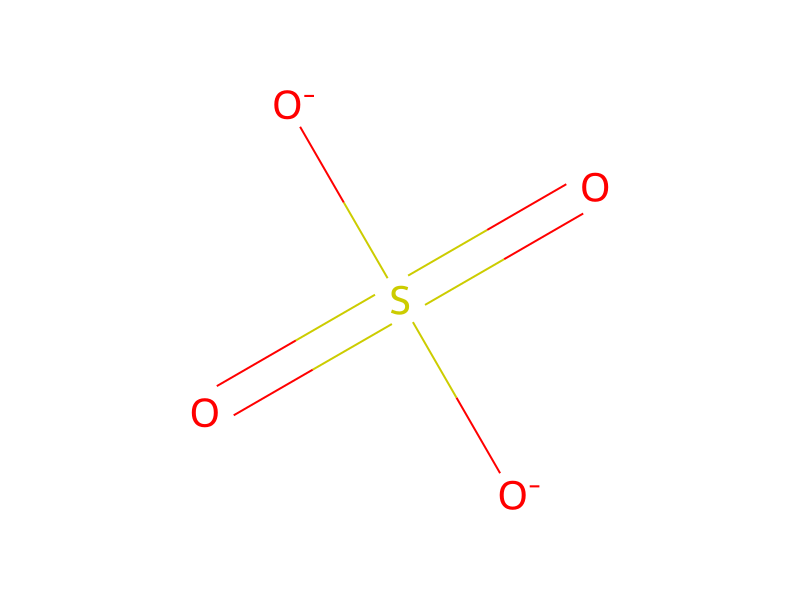
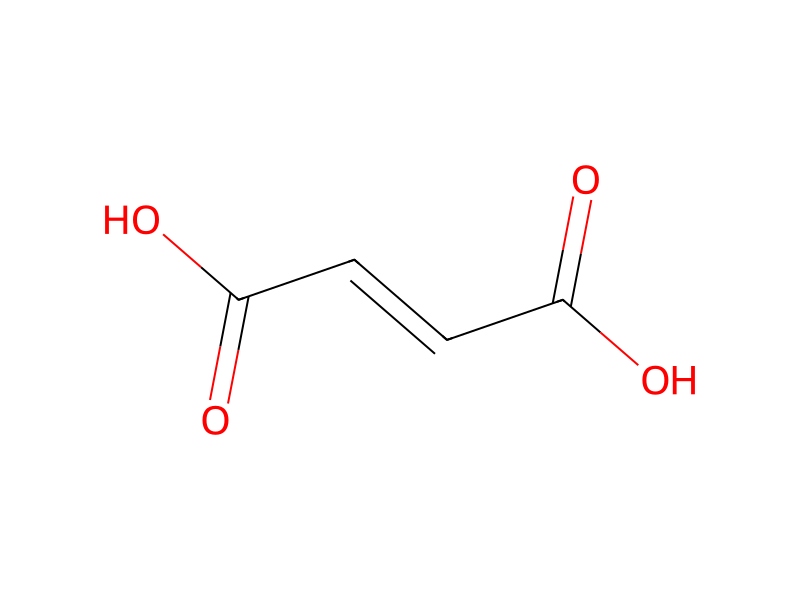
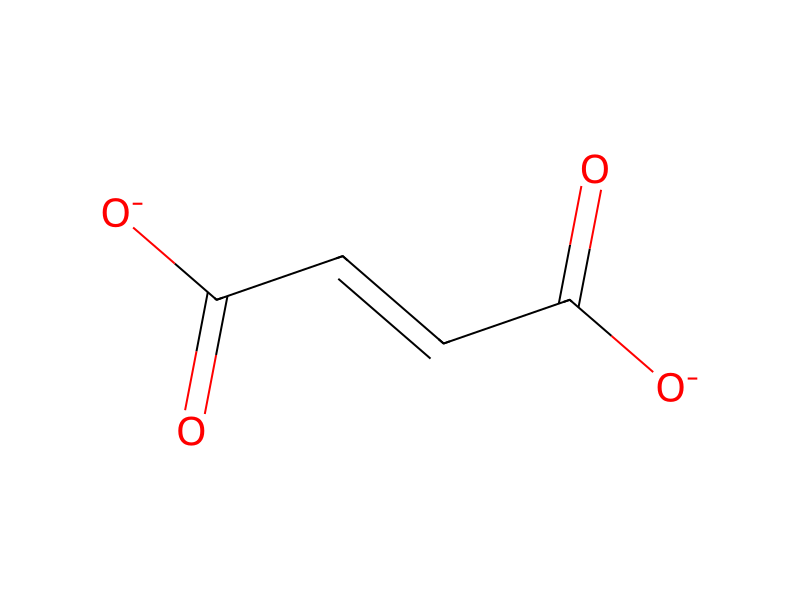
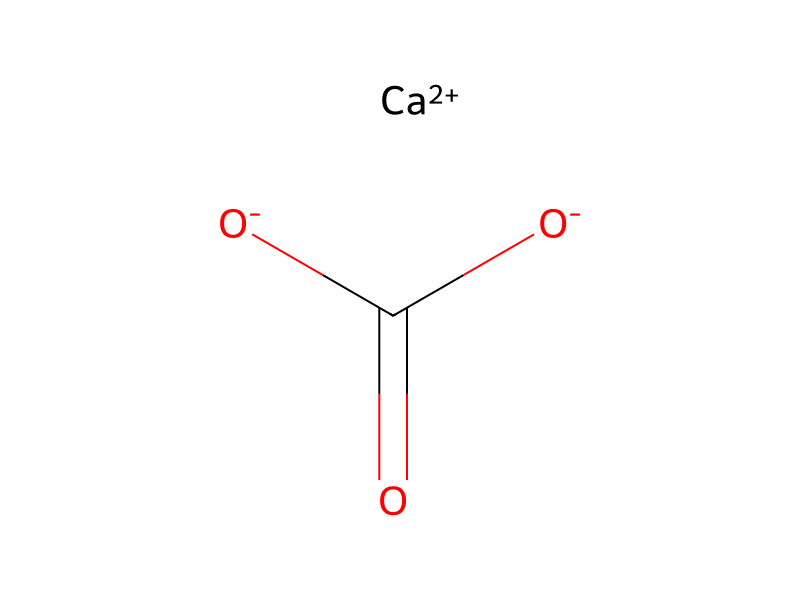
[C:1]([OH:8])(=[O:7])/[CH:2]=[CH:3]/[C:4]([OH:6])=[O:5].[OH-].[Na+].[S:11]([O-:15])([O-:14])(=[O:13])=[O:12].[Ca+2:16].C([O-])(=O)/C=C/C([O-])=O.[C:25](=[O:28])([O-:27])[O-:26].[NH3:29].S([O-])([O-])(=O)=O>>[C:25](=[O:26])([O-:28])[O-:27].[Ca+2:16].[S:11]([O-:15])([O-:14])(=[O:13])=[O:12].[C:1]([O-:8])(=[O:7])/[CH:2]=[CH:3]/[C:4]([O-:6])=[O:5].[NH4+:29]Participants





Procedure
Thomsen (U.S. Pat. No. 3,030,276) describes the manufacture of fumaric acid from lignified cellulose which comprises; digesting said lignified cellulose with a solution of caustic soda under the conventional limitations as to alkali concentration, time and. temperature, until substantially all the non-cellulose portion shall have been dissolved; separating the spent cooking liquor for subsequent conventional regeneration and recycling to said digestion step from the cellulose residual and saccharifying the latter with dilute sulphuric acid under the conventional limitations as-to acid concentration, time and temperature; commingling the resultant sugar solution with a recirculated excess of calcium carbonate produced in a subsequent step and with a micro-organism suitable for the conversion of sugar into fumaric acid; commingling the resultant mixture of calcium sulphate, fumarate and carbonate with sufficient carbonated ammonia to decompose all such sulphate and fumarate forming calcium carbonate and sulphate and fumarate of ammonium; separating and recycling such calcium carbonate and evaporating the resultant solution to substantial saturation and acidifying said solution of ammonium sulphate and ammonium fumarate with the stoichiometric amount of sulphuric acid to decompose all resident fumarate and crystallizing out the liberated fumaric acid from the residual solution of ammonium sulphate.
Workup
- concentrationas to alkali concentration, time
- dissolutiontemperature, until substantially all the non-cellulose portion shall have been dissolved
- customseparating the spent cooking liquor for subsequent conventional regeneration and recycling
- concentrationacid concentration, time and temperature
- customproduced in a subsequent step
Sources & evidence
- ORD record
- ord-46642f7977c645eea271e2cce69f00c4
- Source dataset
- uspto-grants-1999_10
- Patent number
- US05972662
Reaction notes
Loading…